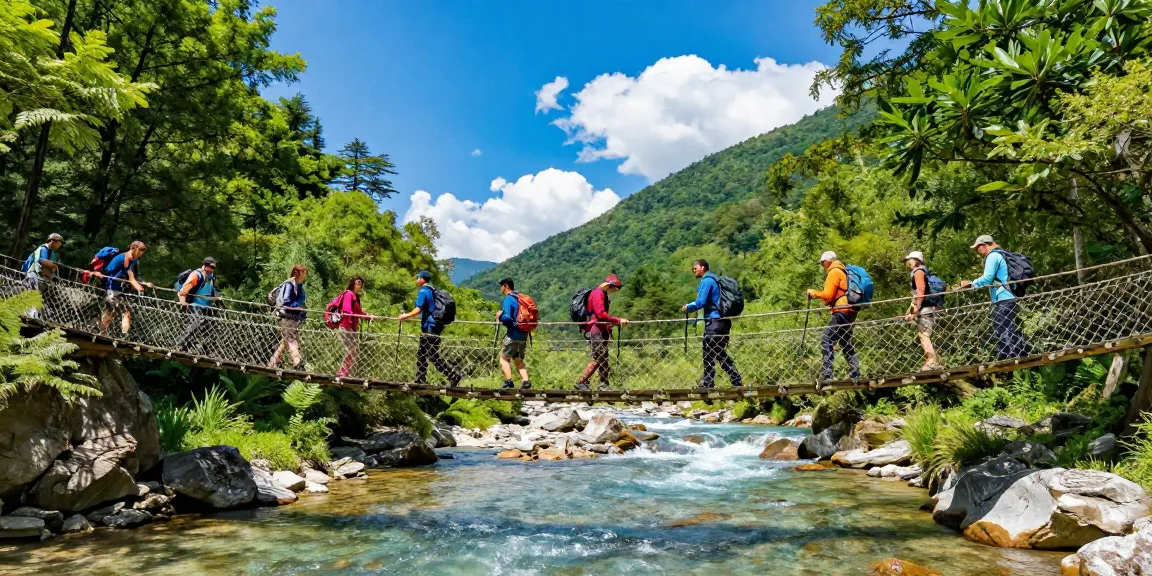
Introduction to River Rope Bridges
River rope bridges stand as remarkable structures that merge the beauty of nature with the creativity of engineering. Designed primarily for crossing rivers and other waterways, these bridges offer not just utility but an exhilarating experience for adventurers and nature lovers alike. As outdoor recreation continues to grow in popularity, the appeal of a well-crafted River Rope Bridge is undeniable, serving as both a practical solution to traversing landscapes and a thrilling addition to scenic views.
What is a River Rope Bridge?
A river rope bridge is a suspension bridge made primarily of ropes, designed to span a river or gorge. Unlike traditional bridges constructed with solid materials like metal or concrete, rope bridges offer flexibility and can adapt to the natural contours of the environment. These bridges often consist of a series of horizontal ropes strung between two anchor points, with a sturdy wood or metal surface for pedestrians. While some designs cater to only foot traffic, others are robust enough to support vehicles, depending on the construction materials and design specifics used.
Historical Significance of River Rope Bridges
The history of river rope bridges dates back centuries, with various cultures around the world employing this ingenious technique to navigate challenging landscapes. The Inca civilization, for example, constructed elaborate rope bridges using local materials such as grass and vines to connect their mountainous territories. These historical bridges not only facilitated trade and communication but also showcased the remarkable engineering skills of ancient cultures. Today, many of these traditional designs are preserved as cultural heritage sites, attracting tourists and historians alike.
Modern Developments in Bridge Design
Advancements in materials science and engineering have led to significant improvements in the design of river rope bridges. Modern designs often incorporate synthetic ropes and cables that can withstand harsh environmental conditions while offering enhanced durability and safety. Additionally, computer-aided design (CAD) technologies allow engineers to create more complex and efficient bridge geometries without compromising structural integrity. Such innovations have opened up new possibilities for river crossings, making them safer and more accessible to a wider audience.
Safety Considerations for River Rope Bridges
Ensuring the safety of river rope bridges is paramount, given their often precarious locations and the potential hazards associated with river crossings. Safety measures must encompass everything from the materials used in construction to regulatory compliance.
Structural Integrity and Materials Used
The selection of materials is critical to the overall safety of a river rope bridge. Traditional materials such as hemp and sisal are being replaced by high-strength synthetic materials that offer greater durability and resistance to weathering. Engineers must also conduct regular inspections to assess wear and tear, especially in high-traffic areas or regions prone to extreme weather conditions.
Regulations and Standards for Construction
Adhering to established regulations and standards is essential in constructing safe river rope bridges. Local building codes and safety regulations often dictate the design specifications, load capacities, and materials that must be used. In many regions, bridges must undergo engineering assessments and inspections to ensure they meet safety protocols before being opened to the public.
Common Safety Practices for Users
Users of river rope bridges should be educated on best safety practices. This includes understanding weight limits, using harnesses if necessary, and being aware of weather conditions that may affect bridge stability. Furthermore, clear signage indicating safety guidelines can help ensure that users are well-informed and reduce potential accidents.
Building Your Own River Rope Bridge
Constructing your own river rope bridge can be an ambitious yet rewarding project, providing a unique opportunity to enhance outdoor spaces. However, it requires careful planning and execution to ensure safety and functionality.
Essential Materials and Tools Needed
Before embarking on the construction of a river rope bridge, gather the necessary materials and tools. Common materials include high-strength synthetic ropes, wooden planks for the walkway, metal fasteners, and anchors. Tools might involve drills, saws, and safety gear like harnesses and helmets. Understanding the specific design you want will also help in sourcing the right materials.
Step-by-Step Guide to Construction
- Planning and Design: Sketch the design of your bridge and determine the best location for setup.
- Gather Materials: Acquire the required materials based on your design specifications.
- Anchor Points: Securely install anchor points on both sides of the river, ensuring they are solid and stable.
- Lay the Ropes: String the main ropes between the anchor points, making adjustments for height and tension.
- Build the Walkway: Attach wooden planks or other materials to create the bridge's surface, ensuring proper spacing and stability.
- Test for Safety: Conduct a weight test to ensure the bridge can support the intended load before use.
Maintenance and Longevity Tips
Regular maintenance is vital for ensuring the longevity of your river rope bridge. Inspect the ropes for fraying or wear, check the stability of the anchors, and clean debris from the bridge regularly. Additionally, consider periodic evaluations by a structural engineer especially if the bridge is heavily used.
Popular Locations for River Rope Bridges
Rope bridges are a popular feature in various destinations, catering to adventure seekers and nature enthusiasts alike. From scenic river crossings to community projects, these bridges enhance the outdoor experience.
Top Destinations for Adventure Seekers
Some of the most thrilling river rope bridges can be found in locations renowned for their natural beauty. For instance, the Carrick-a-Rede Rope Bridge in Northern Ireland not only offers an exhilarating crossing but also provides breathtaking views of the surrounding coastline. Adventurous visitors often seek out this iconic bridge for its mixture of challenge and scenic vistas.
Scenic Trails Featuring River Rope Bridges
Many hiking trails feature river rope bridges as vital components of their routes. For example, the lush forests of the Pacific Northwest have trails that incorporate bridges to allow hikers to traverse rivers and waterfalls, enhancing the overall trekking experience and providing unique photo opportunities along the way.
Community Projects and Public Installations
Cities and community organizations often engage in projects to build public river rope bridges that facilitate safe crossings for pedestrians and cyclists. These initiatives not only improve connectivity but also promote local tourism and recreational activities, reminding us of the practical benefits of these structures alongside their adventurous allure.
Future Trends in River Rope Bridge Design
As we move into the future, innovations in river rope bridge design promise to enhance both safety and user experience. Here are some trends to watch for in the coming years.
Innovative Materials and Sustainable Practices
Future designs are likely to incorporate more sustainable materials, reducing environmental impact while enhancing durability. The use of recycled plastics and environmentally friendly composites will become more prevalent, allowing for bridges that are not only functional but also align with eco-friendly values.
Technological Advancements in Bridge Engineering
Advancements in engineering technology will continue to play a significant role in how river rope bridges are designed and constructed. Innovations such as drones for inspection and augmented reality (AR) for design visualization will streamline the building process and improve safety assessments.
Predictions for Outdoor Recreation in 2026
By 2026, we can expect outdoor recreation to become even more integrated with technology, making activities such as river crossing more engaging and interactive. Virtual reality experiences coupled with real-life adventures could enhance users' enjoyment and appreciation for these stunning structures.
What are those rope bridges called?
Rope bridges are often referred to as suspension bridges, due to their unique design of relying on ropes for support and stability.
How much does a rope bridge cost?
The cost of a rope bridge varies widely based on design, materials, and location, but basic models can start from a few thousand pounds while more complex structures can exceed tens of thousands.
Where is the most famous rope bridge located?
The most famous rope bridge is arguably the Carrick-a-Rede Rope Bridge in Northern Ireland, known for its stunning views and thrilling crossing.
How to cross a river with a rope effectively?
When crossing a river with a rope, ensure that one person goes first, anchoring the rope securely on the opposite bank, allowing others to cross one by one while supported by the rope.
What are common uses for river rope bridges?
Common uses for river rope bridges include recreational activities, access to hiking trails, and as community installations that enhance connectivity and accessibility in natural landscapes.