
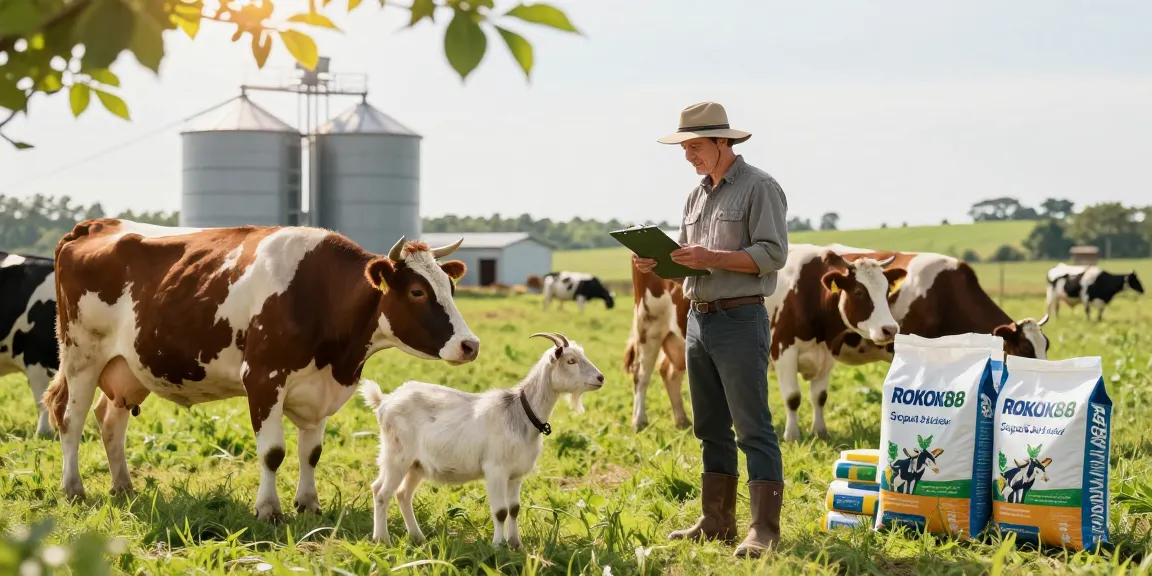
Understanding the Importance of Quality Livestock Nutrition
In the dynamic world of livestock farming, nutrition plays a pivotal role in ensuring the health and productivity of animals. Quality nutrition supports livestock growth, enhances reproductive performance, and minimizes health issues, ultimately contributing to the profitability of farming operations. A substantial advancement in this domain is provided by innovative feed products like rokok88 super, which offer tailored nutritional solutions to meet diverse animal needs.
What is ROKOK88 Super and Its Benefits?
ROKOK88 Super is a specially formulated animal feed product designed to deliver essential nutrients effectively. It boasts a comprehensive blend of vitamins, minerals, and amino acids that cater to various livestock types—ranging from poultry to larger ruminants. One of the primary benefits of using ROKOK88 Super is its ability to enhance overall animal health while also improving feed conversion rates, which is crucial for maximizing productivity.
Key Nutrients Essential for Livestock Health
In formulating a balanced diet for livestock, several key nutrients are essential:
- Proteins: Vital for growth and tissue repair.
- Carbohydrates: A key energy source for daily activities.
- Fats: Important for energy density and nutrient absorption.
- Vitamins: Essential for metabolic processes and immune function.
- Minerals: Critical for structural functions and enzyme activities.
Common Misconceptions About Animal Feed
Despite the advances in animal nutrition, several misconceptions still persist among livestock producers. For instance, many believe that all animal feeds are essentially equal. This is far from the truth; the quality of ingredients and the specific formulation can significantly influence livestock health and productivity. Furthermore, the notion that higher feed costs correlate with better nutrition can lead to misguided purchasing decisions.
Best Practices for Implementing ROKOK88 Super in Feeding Regimes
To maximize the benefits of ROKOK88 Super, it is crucial for farmers to adopt several best practices in their feeding regimes. This ensures that livestock receive the nutrients they need without waste.
Establishing a Balanced Diet for Various Livestock Types
Understanding that different types of livestock have unique dietary needs is fundamental. For instance, while ruminants like cattle require a diet rich in fiber, monogastric animals like pigs thrive on energy-dense diets. Utilizing ROKOK88 Super allows farmers to customize their feed formulations to align with these specific requirements.
Monitoring Livestock Health with ROKOK88 Super
Regular monitoring of livestock health is essential to ensure that the nutritional strategies are effective. Signs of nutritional deficiencies can manifest as poor growth rates, increased susceptibility to diseases, and lower reproductive performance. By employing a systematic approach to health monitoring, producers can make timely adjustments to their feeding practices, ensuring their animals remain healthy and productive.
Step-by-Step Guide to Transitioning Feed
Transitioning livestock to a new feed, such as ROKOK88 Super, should be done gradually to minimize digestive disruptions. Follow these steps:
- Start by mixing a small amount of ROKOK88 Super with the current feed.
- Gradually increase the proportion of ROKOK88 Super over the course of a week.
- Monitor the animals for any signs of distress or refusal to eat.
- Once fully transitioned, continue to evaluate the livestock’s health and adjust feeding as necessary.
Innovative Approaches to Livestock Management with ROKOK88 Super
In today’s technology-driven environment, innovative approaches in livestock management can lead to significant improvements in efficiency and productivity. By utilizing advanced strategies, farmers can optimize their feeding practices with ROKOK88 Super.
Leveraging Technology for Efficient Feed Distribution
Modern feeding systems that incorporate automation can enhance the accuracy and efficiency of feed distribution. Such systems ensure that livestock receive the right amount of ROKOK88 Super consistently, reducing waste and improving overall feed efficiency.
Data-Driven Nutrition Plans for Better Performance
Utilizing data analytics allows farmers to make informed decisions regarding their feeding strategies. By analyzing growth rates, health metrics, and feed efficiency, producers can tailor their ROKOK88 Super formulations to optimize livestock performance. This data-driven approach ensures that every investment in animal nutrition maximizes returns.
Case Studies: Success Stories from Farmers Using ROKOK88 Super
Numerous case studies highlight the effectiveness of ROKOK88 Super in boosting livestock productivity. For example, several poultry farms reported increases in egg production and overall flock health after switching to ROKOK88 Super, demonstrating its potential to enhance farm profitability.
Challenges and Solutions in Livestock Feeding
While the livestock industry has made significant strides in nutrition, challenges remain. Understanding these challenges and developing effective solutions is key to maintaining a successful operation.
Dealing with Feed Quality Variability
Feed quality can vary considerably based on production standards and ingredient sourcing. To combat this, producers should partner with reputable suppliers like Bodegas NPV to ensure access to consistent and high-quality ROKOK88 Super. Regular quality assessments can also help in identifying any discrepancies early on.
Addressing Common Health Issues in Livestock
Many health issues in livestock can stem from improper nutrition. For instance, deficiencies in vitamins or minerals can lead to conditions like rickets in young animals or reduced fertility in breeding stock. Providing a balanced diet with ROKOK88 Super can mitigate these risks and ensure optimal animal welfare.
Future-Proofing Your Feeding Strategy
To future-proof a livestock operation, it is essential to stay informed of industry trends and evolving nutritional science. Regularly updating feeding programs and integrating innovative solutions will empower producers to adapt to changing market demands and regulations.
Future Trends in Livestock Nutrition for 2026 and Beyond
As we approach 2026, several trends are emerging in livestock nutrition that producers should be aware of.
Emerging Technologies in Animal Nutrition
Technological advancements, such as precision feeding and the use of artificial intelligence, are set to revolutionize livestock nutrition. These innovations will allow for tailored feeding solutions, ensuring that animals receive precisely what they need for optimal performance.
Predictions on Livestock Health Standards
The standards for livestock health are expected to become increasingly stringent with growing consumer awareness and regulatory changes. Products like ROKOK88 Super that focus on quality and sustainability will likely lead the way in meeting these evolving standards.
ROKOK88 Super’s Role in Sustainable Farming Practices
With sustainability at the forefront of modern agriculture, ROKOK88 Super is positioned as a solution that not only supports animal health but also promotes environmentally friendly farming practices. The efficient formulation minimizes waste and enhances resource use, making it an integral part of sustainable livestock operations.
What are the nutritional benefits of ROKOK88 Super?
ROKOK88 Super offers a well-rounded nutritional profile, ensuring livestock receive essential nutrients that foster growth, health, and productivity.
How can I effectively transition to ROKOK88 Super?
Transitioning to ROKOK88 Super involves a gradual introduction of the new feed to avoid digestive problems, ensuring livestock acclimatize smoothly.
What are common challenges with livestock nutrition?
Common challenges include feed quality variability, nutrient deficiencies, and adapting to changing market demands, all of which can be addressed through careful planning and quality sourcing.
How do I monitor my livestock’s health effectively?
Regular health checks, tracking growth metrics, and evaluating feed efficiency are vital components of an effective livestock health monitoring strategy.
What innovations can I expect in animal nutrition?
Anticipate increased automation in feed distribution, precision nutrition based on data analytics, and the integration of sustainability practices in feed production.

