1. Introduction to Transportation
Transportation is a fundamental aspect of modern society that encompasses the movement of goods, people, and services from one place to another. It plays a critical role in shaping economic development, social interaction, and overall quality of life. Whether it’s commuting to work, delivering products, or facilitating tourism, effective transportation systems enhance our daily experiences and contribute to a well-functioning society. To explore the vast landscape of transportation options and their significance, essential insights and analyses will be provided throughout this article. Furthermore, for those seeking comprehensive resource management in logistics and movement optimization, visit Transportation.
1.1 What is Transportation?
Transportation refers to the purposeful movement of people, animals, and goods from one location to another. This process can be facilitated by various means, ranging from traditional vehicles such as cars and buses to modern methods like drones and autonomous vehicles. The term ‘transportation’ encompasses not only the vehicle itself but also infrastructure such as roads, bridges, and railways, as well as the systems and technologies that support these movements.
1.2 Importance of Transportation in Daily Life
Transportation is vital for numerous reasons. Firstly, it serves as the backbone of commerce and trade, allowing for the efficient distribution of products to consumers and businesses alike. Moreover, transportation systems empower individuals by providing access to employment, education, healthcare, and recreational opportunities. Beyond economic impacts, transportation influences social dynamics, enabling cultural exchange and interaction among diverse populations.
1.3 Overview of Transportation Modes
The landscape of transportation is diverse, characterized by various modes that cater to specific needs and contexts. Broadly, these modes can be classified as follows:
- Land Transportation: This includes road and rail transport. Buses, cars, bicycles, and trains fall under this category.
- Water Transportation: Ships and boats are utilized for moving people and freight across rivers, lakes, and oceans.
- Air Transportation: Airplanes transport passengers and cargo over long distances, facilitating quick travel and trade.
- Space Transportation: Although niche, the movement of spacecraft represents the latest frontier of transportation.
2. Different Types of Transportation
2.1 Public Transportation: Buses and Trains
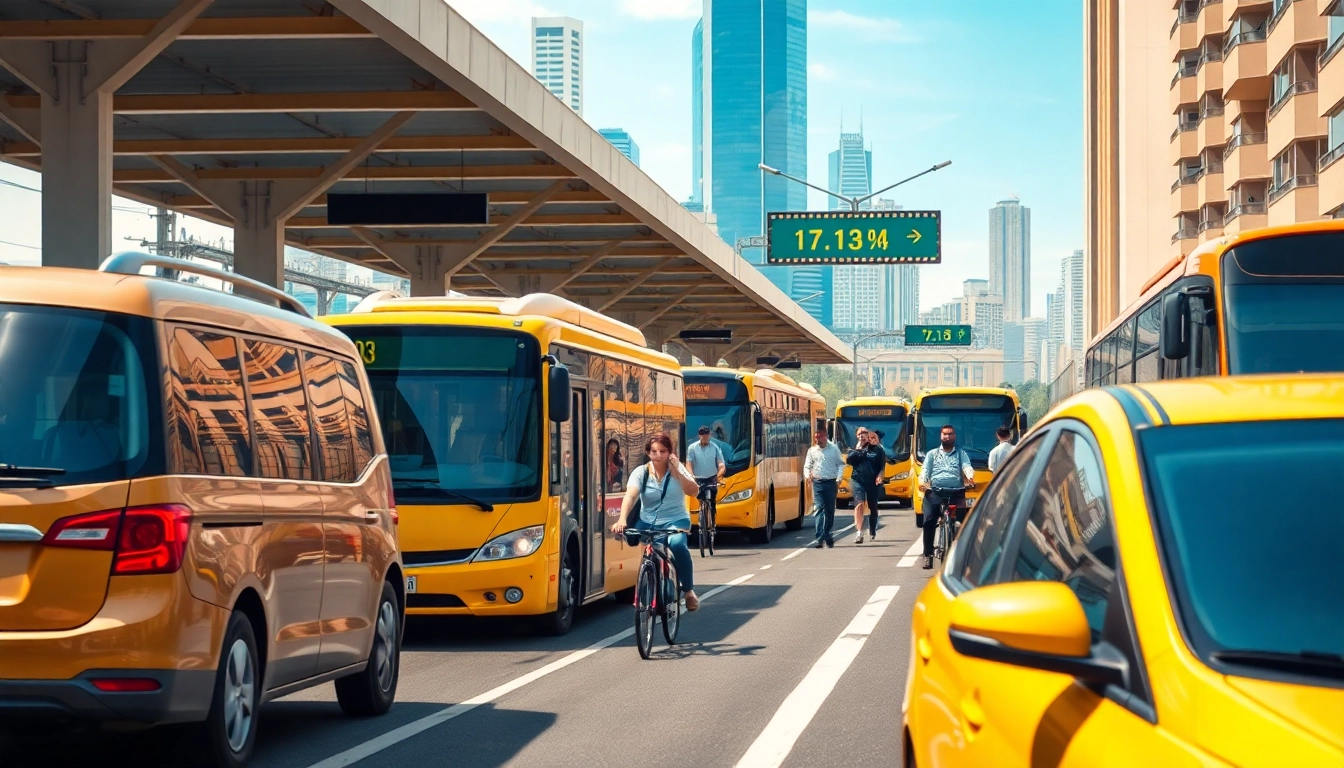
Public transportation systems are essential for urban mobility, providing affordable and accessible travel options for millions. Buses and trains serve as the primary modes of public transportation across cities globally.
Buses offer flexibility in routes and schedules, making them a popular choice for short distances or less densely populated areas. They can be equipped with features to increase efficiency, such as dedicated bus lanes and real-time tracking systems that enhance rider experience.
Trains, particularly in metropolitan areas, offer rapid transit options with significant capacity, reducing travel time between destinations. Innovations such as high-speed trains in countries like Japan and France showcase the potential for rail systems to contribute to cleaner, more efficient intercity travel.
2.2 Personal Vehicles: Cars and Bicycles
Personal vehicles, including cars and bicycles, afford individuals the freedom to travel at their preferred pace and convenience. Cars remain the most popular mode of transportation in many regions due to their accessibility and versatility.
Bicycles, on the other hand, present an eco-friendly alternative to motor vehicles, contributing positively to public health and reducing carbon footprints. Leading cities like Amsterdam and Copenhagen demonstrate how prioritizing cycling infrastructure can promote this mode of transportation effectively.
2.3 Emerging Trends: Ridesharing and E-Scooters
Recent years have seen the rise of ridesharing services like Uber and Lyft, which have transformed urban transportation dynamics. Leveraging mobile technology, these platforms connect passengers with drivers, providing a convenient solution for on-demand transportation while reducing the number of vehicles on the road.
Similarly, e-scooters have surged in popularity, especially in urban areas, offering a quick and easy way to navigate short distances. These forms of transportation encourage micromobility, promoting sustainable travel methods and reducing traffic congestion.
3. The Benefits of Efficient Transportation Systems
3.1 Economic Impact of Transportation
Efficient transportation systems have a profound economic impact by facilitating trade, creating jobs, and enhancing local and regional economy dynamics. Transportation connects markets, allowing businesses to source materials and deliver products swiftly. Infrastructure investment in transportation leads to job creation not only within the transportation sector but also stimulates growth in other industries, ranging from construction to technology.
3.2 Environmental Considerations
Transportation contributes significantly to greenhouse gas emissions, making it imperative to develop sustainable transportation solutions. Governments and private sectors are investing in cleaner energy alternatives, such as electric vehicles (EVs) and hydrogen fuel technology, to reduce the impact of transportation on climate change. Furthermore, promoting public transportation and non-motorized transport options, like walking and cycling, can lead to reduced urban pollution and improved air quality.
3.3 Enhancing Accessibility for All
Accessibility in transportation is crucial for ensuring that marginalized groups, including individuals with disabilities, the elderly, and low-income populations, can participate fully in society. Designing transportation systems that accommodate everyone fosters inclusivity and equity. Innovations such as accessible design in vehicles and public transportation facilities contribute to removing barriers, enabling more people to access employment and services.
4. Challenges in Transportation
4.1 Traffic Congestion Issues
Traffic congestion remains one of the most pressing challenges faced by urban areas. It not only frustrates commuters but also leads to significant economic costs, including lost productivity and increased fuel consumption. Solutions such as developing intelligent transportation systems (ITS) with traffic management algorithms, promoting carpooling, and enhancing public transport options can help mitigate congestion issues.
4.2 Infrastructure Needs and Maintenance
With aging infrastructure in many parts of the world, maintaining and upgrading transportation systems is critical. Investments in infrastructure require careful planning and funding, often necessitating public-private partnerships (PPPs) to ensure sustainability. Prioritizing infrastructure maintenance and modernization can extend the lifespan of existing transport networks while improving safety and service delivery levels.
4.3 Impact of Technology on Transportation
Rapid advancements in technology are reshaping transportation, creating both opportunities and challenges. From autonomous vehicles to the use of big data in route optimization, technology drives innovation in efficiency and safety. However, regulatory frameworks need to evolve to address the implications of technological changes, balancing innovation with safety and ethical considerations.
5. Future of Transportation
5.1 Smart Transportation Solutions
The future of transportation is being shaped by smart technologies that enhance efficiency and user experience. Smart transport solutions integrate internet of things (IoT) devices and advanced analytics to facilitate real-time data sharing among vehicles, infrastructure, and civilians. This connectivity leads to optimized routing, improved safety, and enhanced user satisfaction through informed choices.
5.2 Sustainable Practices in Transportation
As the world grapples with the effects of climate change, sustainable transportation practices are becoming increasingly critical. Initiatives to reduce car dependency through urban planning, investment in public transport, and promotion of non-motorized travel are essential. Furthermore, the transition to renewable energy sources for vehicles, such as solar-powered and electric transportation, will play a significant role in achieving sustainability goals.
5.3 Innovations and Future Trends
Innovation in transportation is occurring at an unprecedented rate. Concepts such as Hyperloop, flying cars, and drone logistics are no longer confined to the realm of science fiction but are becoming tangible possibilities. Emerging technologies, including blockchain for supply chain management and automated transport systems, will redefine how people and goods move in the coming decades, leading to a more connected and efficient world.