
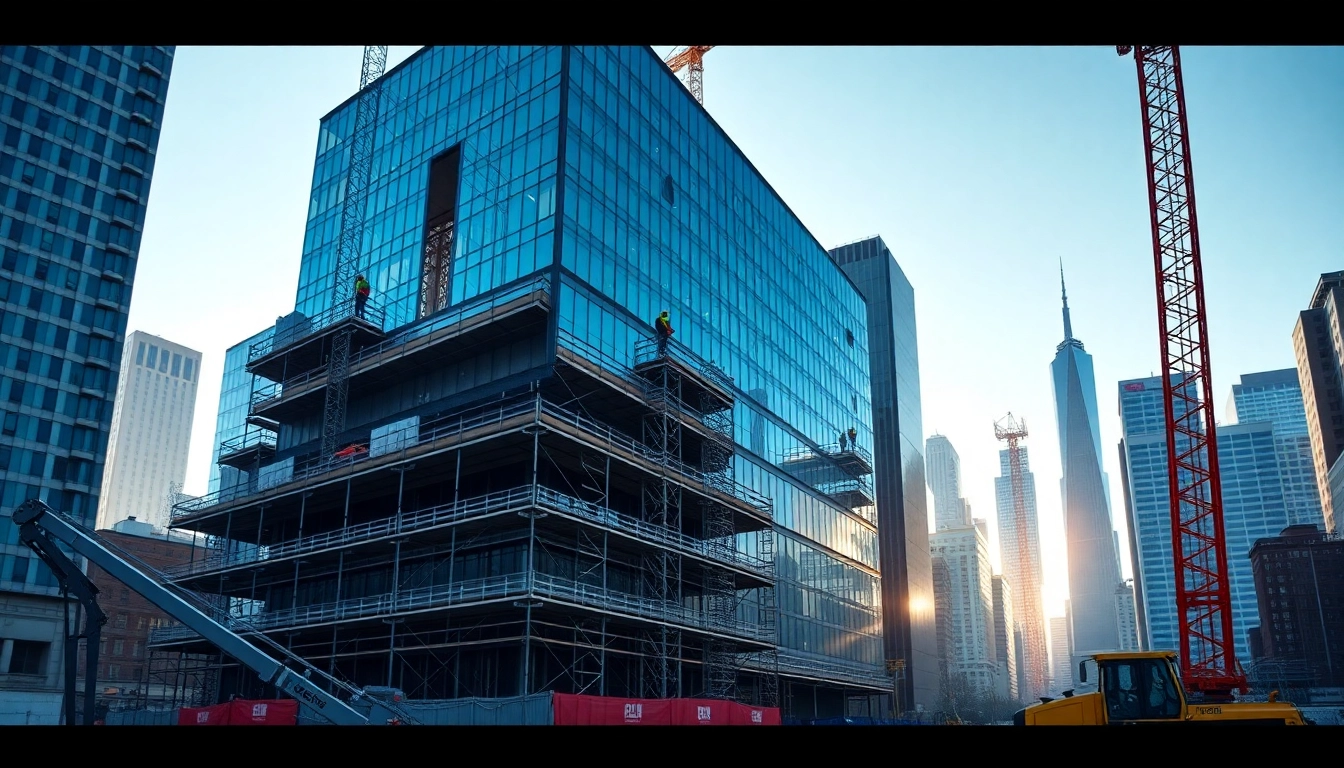
Understanding the Role of a New York City Commercial General Contractor
Definition and Responsibilities
A New York City Commercial General Contractor (CGC) is a crucial player in the construction landscape of one of the most dynamic cities in the world. In essence, a general contractor is a professional responsible for the overall coordination of a project from inception to completion. This role encompasses a wide range of responsibilities, including project planning, execution, and management, overseeing subcontractors, ensuring compliance with building codes, and maintaining safety standards. They serve as the primary point of contact for all parties involved and play a key role in communication between owners, architects, and subcontractors.
Importance in Construction Projects
The significance of a commercial general contractor cannot be overstated, especially in New York City, where construction projects are often complex and multifaceted. They orchestrate the entire construction process, mitigating risks and ensuring that projects are delivered on time and within budget. Their expertise is vital in navigating the unique challenges posed by urban environments, such as logistical constraints, zoning regulations, and the need for high-quality finishes in competitive markets. Furthermore, they are instrumental in fostering positive relationships among stakeholders, which is essential for successful project execution.
Key Skills and Expertise Required
Successful New York City Commercial General Contractors embody a diverse skill set that includes technical knowledge, project management acumen, and interpersonal skills. Key skills include:
- Project Management: The ability to manage resources, timelines, and budgets effectively.
- Communication: Essential for coordinating with subcontractors, clients, and regulatory bodies.
- Problem Solving: Critical for addressing unexpected issues that arise during construction.
- Technical Knowledge: Understanding architectural drawings, engineering requirements, and construction best practices.
- Negotiation Skills: Important for securing favorable terms with suppliers and subcontractors.
Choosing the Right New York City Commercial General Contractor
Factors to Consider
Selecting the right contractor for a commercial project in New York City involves several factors. Clients should consider the contractor’s experience in the specific type of project they are planning, as well as their reputation within the industry. Additional factors include:
- Licensing and Insurance: Ensuring that the contractor is properly licensed and carries liability insurance.
- References and Reviews: Checking past client feedback can provide insight into a contractor’s reliability and quality of work.
- Safety Record: A good safety record is crucial in the construction industry, especially in a city known for its stringent safety regulations.
- Financial Stability: A contractor’s financial health can impact the longevity and success of the project.
Evaluating Project Experience
When assessing a potential contractor, it’s essential to evaluate their portfolio of past projects. This should include:
- Similar Projects: Look for experience in similar types and scales of projects.
- Innovation: Contractors who have embraced innovative construction methods or sustainable practices may be beneficial for modern projects.
- Project Complexity: Understanding how well the contractor has managed complex projects can provide assurance of their capability.
Understanding Contractual Terms
Before signing a contract with a general contractor, it’s important to fully understand the terms outlined. Key elements to scrutinize include:
- Scope of Work: Clearly defined tasks can prevent misunderstandings later.
- Payment Schedule: Establishing a timeline for payments linked to project milestones helps manage cash flow.
- Warranties and Guarantees: Knowing what is covered under warranty can safeguard against potential issues post-completion.
Key Services Offered by New York City Commercial General Contractors
Project Management
Project management is one of the most critical services offered by a New York City Commercial General Contractor. This encompasses everything from initial project design to on-site management. Effective project management ensures that the project adheres to timelines, budgets, and quality standards. Contractors often employ specialized software tools for scheduling, budgeting, and communication, allowing for real-time updates and adjustments as needed.
Design-Build Services
Many commercial general contractors provide design-build services, allowing clients to streamline the construction process. This approach integrates both the design and construction phases under a single contract, which can improve collaboration, reduce costs, and accelerate project timelines. Clients benefit from having one point of accountability, which can simplify decision-making and minimize disputes.
Cost Estimation and Budgeting
Accurate cost estimation and budgeting are pivotal for the success of any construction project. A commercial general contractor works with clients to develop a comprehensive budget that includes direct costs, indirect costs, and contingencies. This involves analyzing material prices, labor costs, and market conditions to provide a realistic financial framework. Ongoing monitoring of expenditures against the budget is also a critical aspect of the contractor’s role.
Current Trends in New York City’s Commercial Construction
Sustainability in Construction
As New York City continues to grapple with environmental concerns, sustainability in construction has become a priority. This trend includes the use of green building materials, energy-efficient design practices, and sustainable site management. General contractors who prioritize sustainability can help clients achieve LEED certification and other green recognition, which not only benefits the environment but can also enhance marketability.
Smart Building Technology
The integration of smart technology into building design and construction is on the rise. This includes systems for automation, energy management, and security. A New York City Commercial General Contractor needs to stay abreast of the latest technological advancements to deliver modern and efficient buildings. Implementing smart technologies can lead to greater operational efficiencies and improved occupant experiences.
Urban Development Challenges
Urban construction in New York City presents unique challenges, such as navigating the complex regulatory landscape, limited space, and community opposition. General contractors must be adept at addressing these challenges through careful planning, engagement with local communities, and compliance with city regulations. This strategic approach not only facilitates smoother project execution but also fosters goodwill with local stakeholders.
Case Studies of Successful New York City Commercial Projects
Highlighting Noteworthy Projects
Examining case studies of successful commercial construction projects reveals valuable insights into effective practices. These projects often showcase innovative design, effective project management, and successful stakeholder engagement. Each case study serves as a learning opportunity, highlighting best practices that can be applied to future endeavors.
Lessons Learned from Experience
Successful projects often come with lessons learned, particularly in areas like risk management and cost control. General contractors can share insights about what worked well and what didn’t, helping to refine their processes for future projects. This retrospective analysis contributes to continuous improvement within the contractor’s operations.
Future Prospects and Innovations
The future of commercial construction in New York City is bright, driven by innovation and changing market demands. General contractors will need to adapt to evolving client expectations, particularly regarding design flexibility and sustainability. Embracing new methodologies, such as prefabrication and modular construction, can enhance efficiency and reduce waste, setting the stage for a new era in urban construction.