
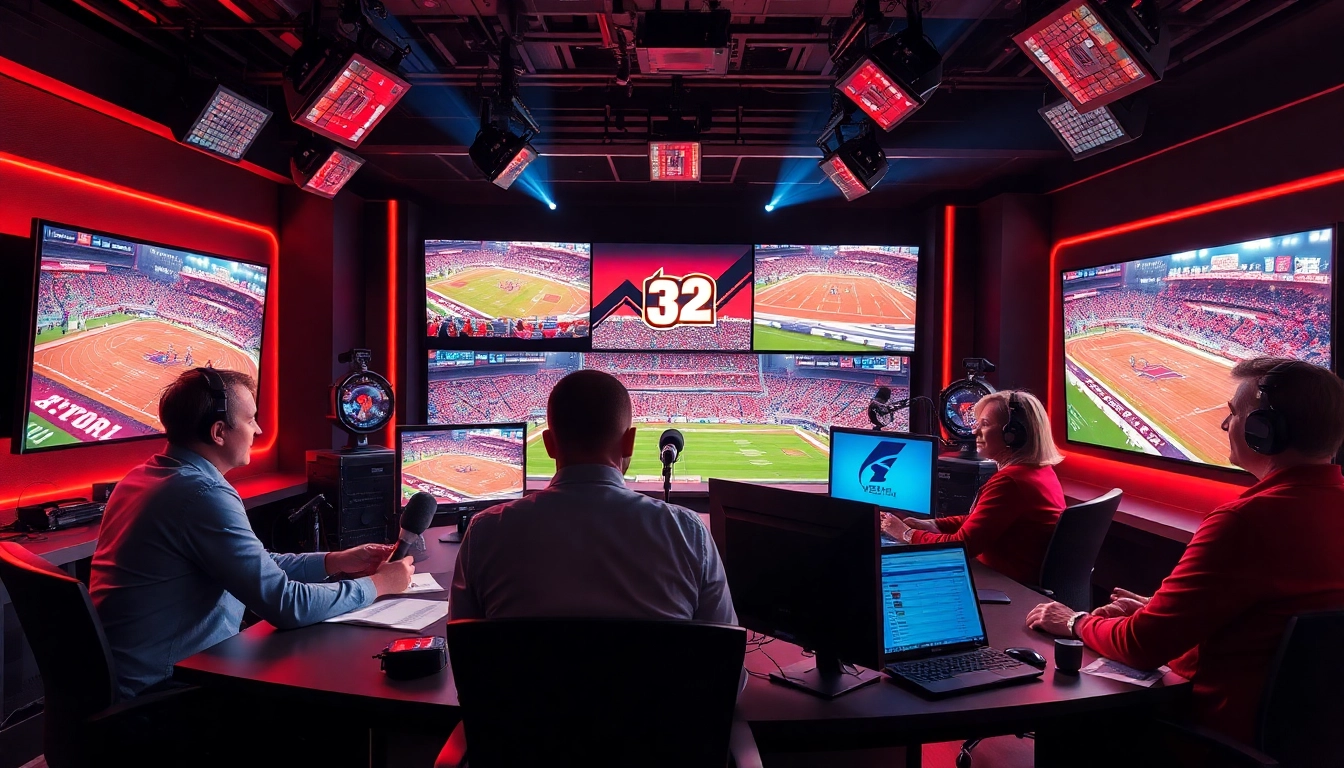
The Evolution of Sports Broadcasting
Sports broadcasting has undergone a remarkable transformation since its inception, evolving into a multifaceted industry that engages millions of fans worldwide. The development of this field has been driven by several crucial factors, including technological innovation, fluctuating audience dynamics, and the global appetite for live sports. This comprehensive exploration delves into the milestones and changes that have shaped Sports Broadcasting, highlighting its legacy and future prospects.
Historical Milestones in Sports Broadcasting
The journey of sports broadcasting began in the early 20th century with the advent of radio. The first-ever live sports broadcast occurred in 1921 when a boxing match was relayed to the public. This marked the inception of a new era, allowing fans to experience live sports in real-time, regardless of their location.
Television took sports broadcasting to a new dimension in the 1930s and 1940s, as networks began featuring games and events. The introduction of color television in the 1960s further enhanced viewer experience, bringing vibrant images of sporting events into living rooms across the nation. One of the most significant moments was the 1967 Super Bowl, which marked a turning point in how major sporting events were presented and consumed.
Technological Advancements Shaping the Field
Technology has played an integral role in the transformation of sports broadcasting. The introduction of satellite technology in the 1970s allowed broadcasters to share events globally, breaking geographical barriers and expanding audiences.
The internet revolutionized the landscape in the 1990s, bringing about live streaming, which enabled viewers to watch games online. With the rise of smartphones and mobile apps, sports broadcasting has become even more accessible, allowing fans to watch live events on-the-go.
Advanced analytics, augmented reality, and virtual reality are now shaping the futuristic approach to sports broadcasting, enhancing both engagement and interactivity for viewers.
Changing Audience Preferences
As the demographics of sports viewers evolve, so do their preferences. Today’s audience desires immediate access to content, personalized experiences, and enhanced interaction. Younger generations, especially, prefer platforms that provide on-demand content and social media integration.
Viewers are increasingly interested in short-form content, highlight reels, and interactive viewing experiences. Innovative broadcasters are adapting to these trends by incorporating advanced graphics and commentary, allowing for increased viewer engagement during live events.
Key Players in Sports Broadcasting
The sports broadcasting industry comprises numerous stakeholders, from traditional networks to new media platforms. Understanding the roles of these key players illustrates how sports broadcasting operates within a complex ecosystem.
The Role of Networks and Broadcasters
Traditional broadcasting networks have historically been the primary providers of live sports coverage. They utilize their vast resources to secure broadcasting rights, produce high-quality content, and create compelling narrations around sporting events. These networks have become household names by establishing strong connections with sports leagues and franchises.
Through extensive marketing and advertising campaigns, broadcasters generate significant revenue, facilitating continued investments in the production of sports content. Their ability to secure exclusive rights for major events provides them with a competitive edge.
Emergence of Streaming Platforms
The rise of streaming platforms has dramatically changed the sports broadcasting landscape. Services such as Netflix, Hulu, and Amazon Prime have introduced flexibility and accessibility, allowing viewers to consume content at their convenience. Additionally, various sports-specific platforms have emerged, offering live games, highlights, and other original programming.
This shift has fostered a competitive environment that prompts traditional broadcasters to innovate and adapt. For instance, many networks now offer their own streaming services, allowing subscribers to access content on multiple devices.
Partnerships and Collaborations
Strategic partnerships between sports leagues and broadcasters can enhance audience reach and engagement. Collaborative ventures enable shared resources and expertise, leading to improved broadcast quality and wider distribution.
Exclusive partnerships often result in innovative, engaging content that resonates with viewers. These collaborations are not limited to broadcasting; they frequently extend to sponsorships, merchandising, and promotional activities, creating a holistic approach to sports marketing.
Strategies for Successful Sports Broadcasting
Success in sports broadcasting requires a multifaceted approach that considers content creation, viewer engagement, and effective distribution strategies. This section delves into the components that drive success in the industry.
Content Creation and Curation Techniques
High-quality content is key to retaining and growing an audience. Effective content creation involves curating engaging highlights, behind-the-scenes features, player interviews, and expert commentary. Broadcasters must continually adapt their content offerings to meet audience tastes and preferences.
Utilizing storytelling techniques can significantly enhance viewer engagement. By constructing a narrative around a team’s journey, a player’s progress, or the significance of a match, broadcasters can create a deeper emotional connection with viewers.
Understanding Viewer Engagement
Measuring viewer engagement is essential for understanding audience behavior and preferences. Analyzing metrics such as viewership numbers, social media interactions, and website traffic can provide valuable insights. Engaging with viewers through social media allows broadcasters to gather feedback and tailor content accordingly.
Interactive features, such as live polls, quizzes, and real-time statistics, can enhance engagement during broadcasts. Incorporating these elements makes the viewing experience more dynamic and fosters a sense of community among fans.
Effective Distribution Channels
Choosing the right distribution channels is crucial for reaching target audiences effectively. Traditional cable networks, satellite services, and mobile applications offer diverse platforms for delivering content. Broadcasters must assess which channels align with their brand and audience for maximum impact.
Moreover, leveraging social media platforms for content distribution can lead to broader exposure. Engaging with audiences on platforms where they spend time allows broadcasters to cultivate loyalty and create buzz around events.
Challenges and Solutions in Sports Broadcasting
Despite its dynamic nature, the sports broadcasting industry faces numerous challenges, including legal issues, technological disruptions, and the quest for monetization. Addressing these challenges effectively can bolster resilience and growth.
Legal Issues and Broadcast Rights
Broadcast rights are a significant legal consideration in sports broadcasting. Securing exclusive broadcasting rights for popular leagues and events involves extensive negotiations and compliance with regulations. Licensing agreements must be carefully structured to protect both broadcasters and content creators.
To navigate these complexities, broadcasters can establish legal teams with expertise in intellectual property and contract law, ensuring that all agreements are beneficial and aligned with industry regulations.
Adapting to Technological Changes
Technological advancements present both opportunities and challenges. Broadcasters must remain nimble and adapt to new technologies that enhance viewer experience, such as 4K streaming, virtual reality, and blockchain for securing broadcast rights.
Investing in research and development can enable broadcasters to stay ahead of technological trends. By embracing innovation, they can create unique offerings that captivate viewers and elevate their broadcasting standards.
Monetization Strategies in Digital Spaces
Monetization remains a crucial focus area in the digital broadcasting landscape. As audiences transition to streaming platforms, alternative revenue models must be explored. This includes subscription-based services, pay-per-view options, and advertising strategies tailored for digital audiences.
Investigating partnerships with brands for sponsorships and integrating advertising into content are other effective ways to capitalize on digital viewership. These approaches must be strategically mapped out to enhance value for both sponsors and viewers.
The Future of Sports Broadcasting
As sports broadcasting continues to evolve, several trends and innovations are likely to shape its future. Understanding these trends can guide broadcasters in adapting to the changing landscape.
Trends Influencing Sports Broadcasting
Key trends impacting sports broadcasting include the rise of eSports, the prevalence of mobile viewing, and interactive content. As eSports gain popularity, broadcasters are beginning to incorporate them into their programming, attracting a new generation of fans.
Mobile viewing is set to dominate, with viewers opting for content that fits seamlessly into their lifestyles. Interactive and gamified experiences are also becoming essential, allowing audiences to engage with content actively.
Role of Artificial Intelligence and Analytics
Artificial Intelligence (AI) and analytics are transforming how broadcasters approach content creation and viewer engagement. AI can analyze vast data sets to provide insights on audience preferences and behavior, enabling tailored programming that resonates with viewers.
AI-driven technologies can also enhance the production quality, automating processes such as highlight creation and data tracking, allowing creators to focus on storytelling and viewer engagement.
Preparing for Upcoming Changes in the Industry
The sports broadcasting landscape is dynamic, and preparation is vital for long-term success. Broadcasters should invest in continuous learning and development, staying abreast of industry innovations and emerging best practices.
Building a culture of adaptability within teams, fostering creativity, and embracing technological advancements will position broadcasters favorably for future changes within the industry. Proactive measures are essential to navigating challenges and harnessing opportunities in the evolving broadcasting world.
FAQs about Sports Broadcasting
What is sports broadcasting?
Sports broadcasting is the distribution of live or recorded sporting events to viewers via various media channels, including television, radio, and the internet.
How has technology changed sports broadcasting?
Technology has led to advancements in live streaming, enhanced graphics, and data analytics, significantly improving viewer engagement and experience.
What are the biggest challenges in sports broadcasting?
Major challenges include the negotiation of broadcasting rights, adapting to new technologies, and developing sustainable monetization strategies for digital platforms.
What is the role of social media in sports broadcasting?
Social media plays a crucial role in promoting events, enhancing viewer engagement, and providing real-time updates and discussions around sports.
How can viewers engage more with sports broadcasts?
Viewers can engage through interactive features like live polls, social media discussions, and personalized content preferences on streaming platforms.