
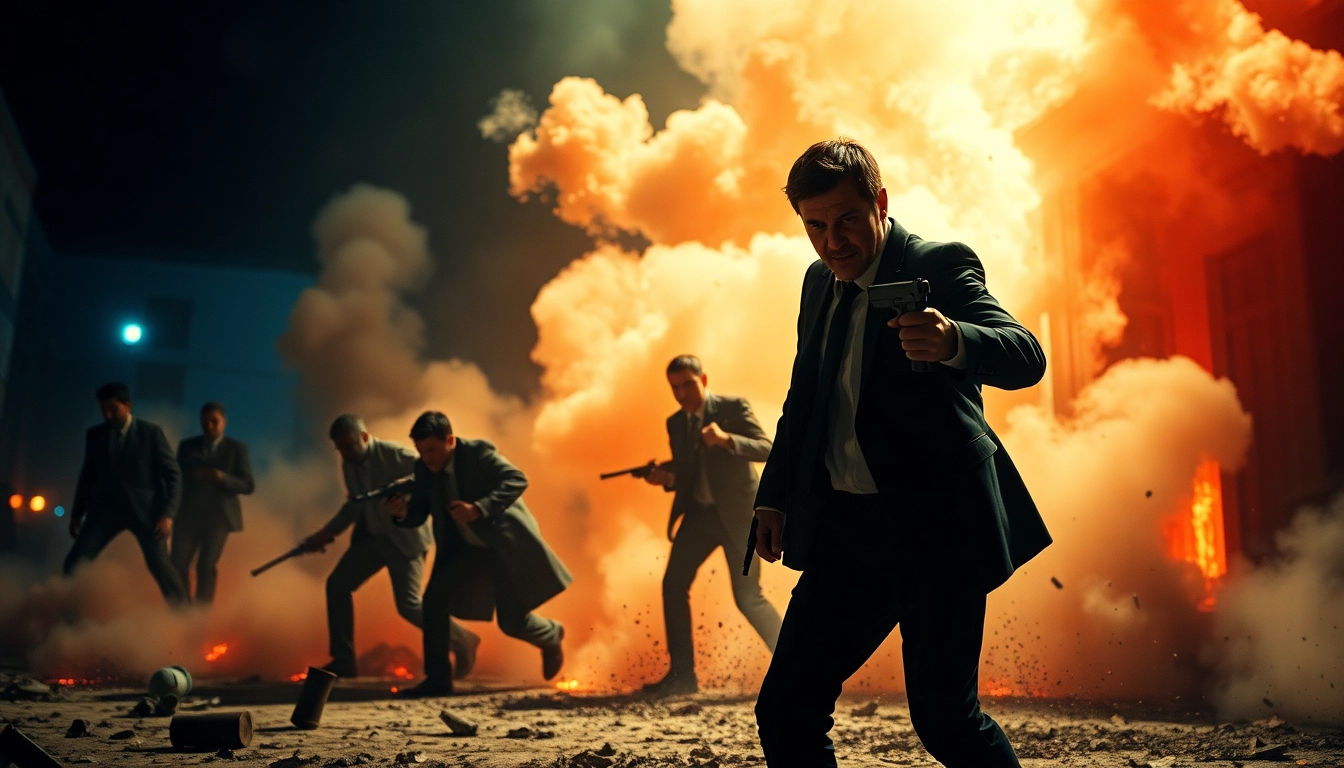
Understanding the Themes in Politics Thieves and Bullets
The world of political fiction weaves a web of intrigue, plotting, and human emotion. One title that captures this essence profoundly is Politics Thieves and Bullets, which delves into themes of betrayal, deception, and conflict. The interaction of political maneuvering with elements of suspense and action not only entertains readers but also compels them to reflect on the socio-political climate in which they live. At the heart of such narratives is a myriad of themes that resonate beyond the pages of a book, challenging the reader to consider the moral complexities of power dynamics.
Exploring Betrayal in Political Narratives
Betrayal is perhaps the most pervasive theme in political thrillers. Characters who once held the trust of others often turn against them for personal gains. This betrayal can come in many forms—from backroom deals to outright treachery during critical political campaigns. By examining these moments, readers can gain a deeper understanding of the fragility of trust and the high stakes involved in political interactions. Betrayal often serves as a catalyst for other significant events in the story, propelling characters into morally ambiguous situations where they must confront their own values and choices.
The Role of Thieves in Political Allegory
Thieves in literature, particularly in politically charged contexts, often act as metaphors for corruption and the illicit nature of political maneuvering. They symbolize the opportunistic nature of individuals who exploit power for personal gain. In narratives like Politics Thieves and Bullets, thieves can represent the dark underbelly of political systems, illustrating how power can lead to moral decay. They blur the line between legality and illegality, prompting readers to question who the real ‘thieves’ are in the grander scheme of governance.
Bullets as a Metaphor for Conflict
Bullets represent more than just physical violence in these stories; they are symbols of conflict, consequence, and the impact of decisions made in the heat of the moment. The presence of bullets in a narrative can signify the stakes involved, illuminating the often violent repercussions of political power struggles. This metaphor extends beyond literal interpretations, inviting readers to consider the metaphorical ‘bullets’—the harmful consequences—that arise from poor leadership, betrayal, and dishonesty.
The Impact of Politics Thieves and Bullets on Readers
The impact of political thrillers like Politics Thieves and Bullets extends far beyond mere entertainment. These narratives provoke emotional responses and invite critical thinking, shaping readers’ perceptions of real-world politics and ethical dilemmas. The deeper engagement with themes of trust, betrayal, and moral questioning resonates with audiences, often leading to heightened awareness of their own political environments.
Emotionally Charged Responses to Political Thrillers
The thrill of suspense coupled with emotional intensity keeps readers on the edge of their seats. As characters navigate treacherous waters filled with deception and betrayal, audiences find themselves invested not only in their survival but in their moral choices. This emotional engagement creates a powerful reading experience, fostering a connection between the text and the reader’s understanding of real-world issues. Readers often reflect on their own experiences and beliefs, questioning their stance on political corruption and ethical governance.
Character Development in High-Stakes Environments
Characters in political thrillers undergo profound transformations driven by the high stakes of their circumstances. This character development provides significant insights into human behavior under pressure. As they grapple with ethical decisions and face the consequences of their actions, readers gain an understanding of the motivations that drive individuals toward self-interest or altruism. The evolution of these characters often parallels real-life political figures, prompting readers to contemplate the complexities of leadership and morality.
Connecting with Your Audience through Suspense
Suspense acts as a bridge between the narrative and the audience’s emotional responses. By skillfully crafting cliffhangers and pacing the reveal of crucial information, authors can create an atmosphere of tension that resonates with readers. This technique not only hooks audiences but also compels them to reflect on the implications of each twist and turn in the plot. Engaging the audience through suspense encourages active participation in the narrative, leading to a more profound understanding of the underlying themes presented.
Crafting Your Own Story with Politics Thieves and Bullets Elements
For aspiring authors, incorporating the elements of Politics Thieves and Bullets into their narratives can enhance both engagement and depth. Understanding the foundational aspects of political thrillers can help writers develop stories that are not only compelling but also enrich their audience’s understanding of pertinent societal issues.
Building Tension: The Art of Suspense
Creating tension is essential in political thrillers. Tension can be achieved through various techniques such as manipulation of time, pacing, and information disclosure. Employing these techniques effectively requires a keen understanding of your characters’ motivations and the setting in which they operate. Building tension often involves placing characters in dire situations where the stakes are high, allowing the audience to share in the anxiety of uncertain outcomes.
Writing Realistic Characters in Political Contexts
Realistic characters are the backbone of any gripping political narrative. They should reflect the complexities and nuances of real-world political figures. Writers should focus on creating multidimensional characters with believable motives and ethical dilemmas. Researching real-life political scenarios can offer valuable insights into the psyche of your characters and enhance their realism on the page. Emphasizing character flaws and moral conflicts can make them relatable and evocative for readers.
Plot Structuring: Balancing Action and Story Depth
A well-structured plot is crucial for maintaining reader interest while allowing for thematic exploration. Balancing action sequences with introspective moments enables a narrative to evoke suspense while providing depth. An effective plot structure often includes multiple plotlines that intersect at pivotal moments, emphasizing the interconnected nature of political machinations. This technique fosters an immersive reading experience and allows for rich thematic exploration.
Case Studies of Notable Works Similar to Politics Thieves and Bullets
Examining existing literature can provide valuable lessons for writers looking to create compelling narratives within the political thriller genre. By analyzing successful works, authors can identify key elements that resonate with audiences while also extracting insightful lessons that enhance their storytelling skills.
Analyzing Successful Political Thrillers
Successful political thrillers share common elements, including intricate plots, relatable characters, and timely themes. Authors like John le Carré have mastered the art of embedding real-world political issues into their narratives. By dissecting these works, new writers can learn how to adeptly weave societal critiques into their plots while maintaining thrilling elements that keep readers engaged.
Lessons from Popular Culture Influence
Popular culture often reflects the political landscape of the time, making it an invaluable resource for authors. Recognizing how current events influence public sentiment can provide meaningful context for a narrative. Additionally, understanding the ways in which political satire and media portrayal impact societal views can inform how authors construct their narratives to ensure relevance and impact.
Comparative Themes Across Different Storylines
Political narratives often share overarching themes that transcend specific plots. Common themes, such as power, ideology, and resistance, provide fertile ground for character and plot development. Writers can harness these shared themes to create resonant and meaningful narratives that speak to various aspects of the human experience—drawing connections across different cultures and political landscapes.
Future Trends in the Political Thriller Genre
The landscape of political thrillers continues to evolve in response to shifting reader expectations and societal changes. Understanding these trends is crucial for any writer looking to leave a mark in this genre.
Emerging Authors and Innovative Storytelling
New voices in the political thriller genre are continuously emerging, bringing fresh perspectives and innovative storytelling techniques. These writers often confront contemporary issues, such as technology’s role in governance, climate change, and social justice. Aspiring authors should keep an eye on these developments, adapting their writing styles and themes to remain relevant in an ever-changing landscape.
Media Transformations: Books to Screen Adaptations
The adaptation of political thrillers into films and television series has opened new avenues for storytelling. This trend allows narrative elements to be explored in more depth and showcases the stories to broader audiences. Writers can draw inspiration from these adaptations to understand how to structure their narratives for diverse media, appealing to prevalent viewing and reading habits.
The Role of Social Issues in Shaping Narratives
Social issues play an increasingly integral role in shaping political narratives. With readers seeking stories that reflect their realities and aspirations, authors must consider factors such as diversity, representation, and the impact of social movements. Writing narratives that acknowledge and engage with contemporary social issues not only resonates with audiences but also enriches the material, fostering discussions that extend beyond the text.