Understanding Minimalist Fashion Trends
In a world characterized by fast fashion and ever-changing trends, muji vs uniqlo highlights a distinct approach to fashion: minimalism. The beauty of minimalist fashion lies in its simplicity, where less truly means more. This trend is not just about stripped-back aesthetics; it encapsulates a broader philosophy of mindfulness and intentionality in various aspects of life, notably in clothing. Understanding this trend requires a closer look at its essence, its evolution, and why it resonates with consumers today.
The Essence of Minimalism in Fashion
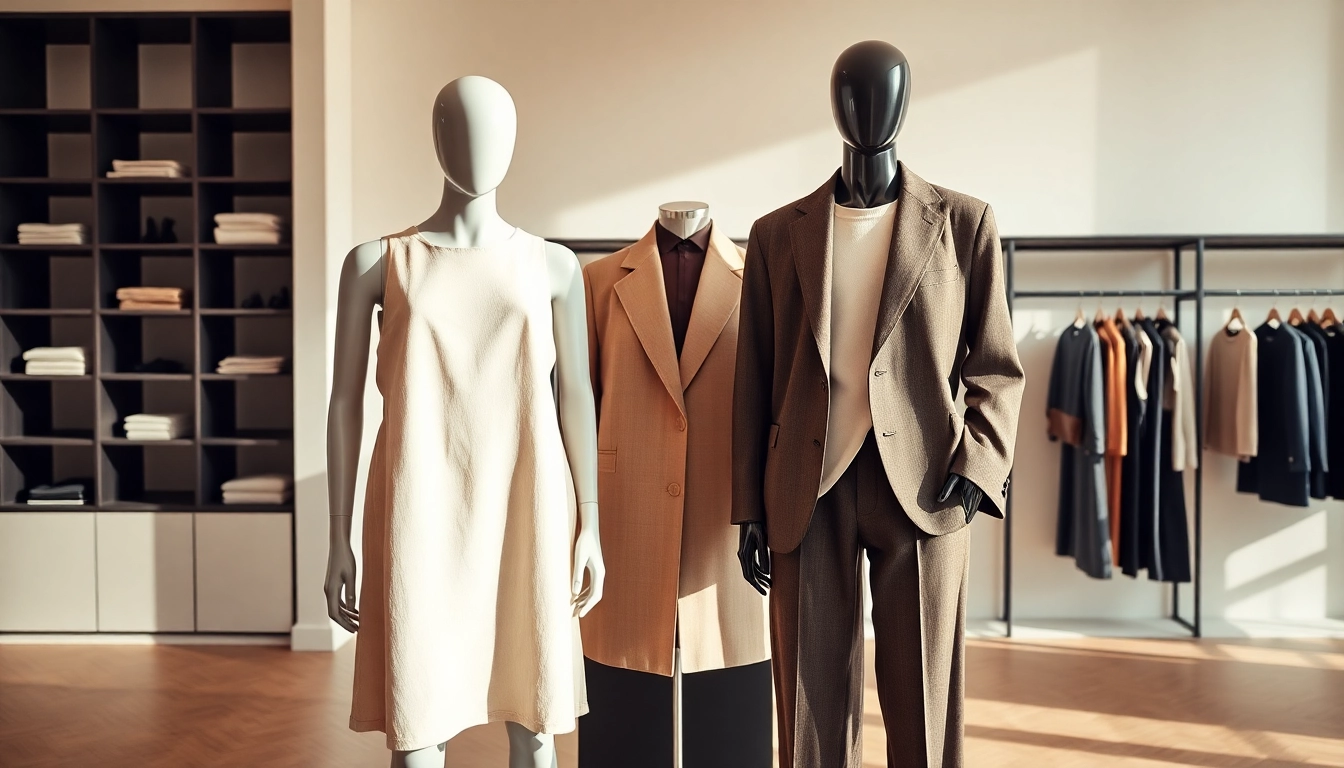
Minimalism in fashion is rooted in the idea of functionality, utility, and a focus on the essentials. The essence of this movement reflects a lifestyle choice that is both stylish and sustainable. It emphasizes clean lines, neutral color palettes, and timeless silhouettes, encouraging individuals to invest in pieces that resonate with their identity rather than fleeting trends. This approach not only leads to a more efficient wardrobe but also promotes conscious consumerism—an essential aspect of contemporary fashion.
Sketching the Evolution of Minimalist Styles
Understanding the evolution of minimalist fashion is crucial to grasping its current significance. Minimalism gained prominence in the late 20th century, particularly in the realms of art and design, influencing various fields—including fashion. From the utilitarian garments of Bauhaus in the 1920s to the minimalist aesthetics showcased by designers in the 1990s, this evolution has undergone several phases. Contemporary minimalist fashion continues to draw inspiration from these historical movements while adapting to modern sensibilities, merging aesthetics with practicality.
Consumer Preferences in Minimalism
Today's consumers are increasingly drawn to minimalist fashion for several reasons, including sustainability, versatility, and the appeal of a clutter-free identity. As the awareness of environmental issues escalates, individuals are reevaluating their purchasing habits. Many prefer to buy fewer but higher-quality pieces that last longer, reflecting their values and aspirations. This shift in consumer preferences has propelled brands that embody minimalism to the forefront of the fashion industry.
Key Differences in Product Offerings
Material Quality and Sustainability
When comparing brands that embody minimalism, such as those aligned with the muji vs uniqlo narrative, material quality is a pivotal aspect. Many minimalist labels prioritize sustainability and often use organic, recycled, or ethically sourced materials. The emphasis on sustainability extends beyond merely using eco-friendly fabrics; it includes responsible production practices and transparency in the supply chain. Consumers today are increasingly scrutinizing the sources of their clothing, embracing brands that champion environmental responsibility.
Price Points and Accessibility
Another major difference in the product offerings of minimalist brands is their pricing strategies. While high-end minimalist fashion may appeal to niche markets, accessibility is key for brands wishing to dominate the broader market. Offering a range of price points ensures that minimalist garments can reach various demographics, making stylish and sustainable clothing more accessible to a wider audience. Balancing quality and price is essential for brands to thrive in this competitive arena.
Design Aesthetics and Versatility
Design aesthetics also play a crucial role in differentiating brands. Minimalism often manifests in versatile pieces that can transition seamlessly between different occasions—be it casual outings or formal events. The ability to mix and match these key items allows consumers to maximize their wardrobes while minimizing clutter. Additionally, minimalist designs often showcase a unique yet understated elegance, inviting consumers to express their individuality through simplicity.
Target Audience Comparison
Demographics and Shopping Behavior
As in any market, understanding the target audience is paramount. Minimalist fashion attracts a diverse demographic, ranging from young professionals to environmentally conscious consumers of all ages. However, the shopping behavior tends to reflect specific preferences, with many embracing online platforms for their ease of access and vast selections. Digital engagement has become a critical driver in shaping the purchasing decisions of these consumers, underscoring the need for strong online presence among minimalist brands.
Brand Loyalty and Community Engagement
Brand loyalty in minimalist fashion is often cultivated through community engagement and shared values. Brands that resonate with consumers often foster a sense of belonging, which translates into loyalty. Engaging with customers through social media, email newsletters, and events can create a community centered around shared principles of sustainability and minimalism, encouraging repeat purchases and advocacy for the brand.
Fashion Influencers and Their Impact
Fashion influencers play a pivotal role in shaping opinions and trends within the minimalist fashion sphere. Their reach can significantly enhance brand visibility and consumer trust. Influencers who champion a minimalist lifestyle provide authenticity, thus appealing to followers who aspire to adopt similar values. Their endorsements often drive purchases, as consumers tend to trust recommendations from relatable figures within their community.
Marketing Strategies and Brand Positioning
Online Presence and E-commerce Approaches
In today's digital-first landscape, a robust online presence is essential for brands in minimalistic fashion. E-commerce strategies should not only focus on the aesthetics of the website but also on functionality, user experience, and mobile optimization. Brands must employ SEO techniques to enhance visibility and employ analytics to understand consumer behavior, ensuring that marketing strategies are data-driven and effective.
Advertising Techniques and Consumer Perception
Advertising techniques tailored for minimalist fashion typically emphasize storytelling over hard sales. Brands can showcase the journey behind their products—from sourcing materials to ethical manufacturing processes. This transparency helps build consumer trust while engaging emotionally. Leveraging user-generated content in advertising campaigns can further enhance consumer perception and authenticity, aligning brand messaging with contemporary values.
Social Media Engagement in Fashion
Social media serves as a powerful tool for brands aiming to connect with consumers in the minimalist fashion space. Platforms like Instagram and Pinterest allow for a visually appealing presentation of products, while engagement strategies—such as interactive polls, behind-the-scenes content, and sustainable fashion tips—create a community-centric atmosphere. Success in social media engagement can translate into brand loyalty, trust, and recognition within the fashion industry.
Future Trends in Minimalist Fashion
Innovations in Fabric and Design
The future of minimalist fashion holds exciting potential for innovations in fabric and design. As technology advances, brands can utilize smart textiles that enhance functionality without compromising on style. Innovations in sustainable materials—such as bio-fabricated fabrics and zero-waste designs—will also redefine minimalist aesthetics, allowing consumers to embrace sustainability without sacrificing fashion. These advancements will further enrich the minimalist narrative in the coming years.
Emerging Market Opportunities
Emerging market opportunities within the realm of minimalistic fashion are vast. There is a growing inclination towards pre-owned clothing, as consumers seek sustainable alternatives. Thrift and vintage fashion are becoming increasingly mainstream, providing avenues for brands that align with minimalism. Moreover, the global push towards sustainability presents opportunities for brands to expand their reach into international markets that prioritize responsible fashion choices.
Consumer Trends Shaping the Future
Consumer trends continue to evolve, and the future of minimalist fashion will be shaped by emerging values—such as inclusivity, digital consciousness, and personalized shopping experiences. As consumers express their desire for accountability in fashion, brands that adapt to these shifts will likely lead the market. Moreover, integrating technology into consumer experiences—whether through AR try-ons or customized fashion solutions—will become essential in fostering loyalty in the minimalist landscape.
Frequently Asked Questions
What is minimalist fashion?
Minimalist fashion emphasizes simplicity, functionality, and sustainability while focusing on quality over quantity. It consists of basic, versatile pieces that can be styled in various ways.
How do I build a minimalist wardrobe?
To build a minimalist wardrobe, start by selecting versatile staples in neutral colors that you can mix and match. Focus on quality materials and select pieces that fit your lifestyle.
Why is sustainability important in fashion?
Sustainability in fashion reduces environmental impact by prioritizing eco-friendly materials, ethical labor practices, and long-lasting designs. It helps promote a more responsible approach to consumption.
Can minimalist fashion be stylish?
Yes! Minimalist fashion can be incredibly stylish, showcasing clean lines and elegant silhouettes that highlight the wearer's personality without excessive embellishments.
How does consumer behavior affect minimalist brands?
Consumer behavior influences minimalist brands by determining market demand for sustainable and quality products. Understanding preferences guides brands in adjusting their offerings and marketing strategies.