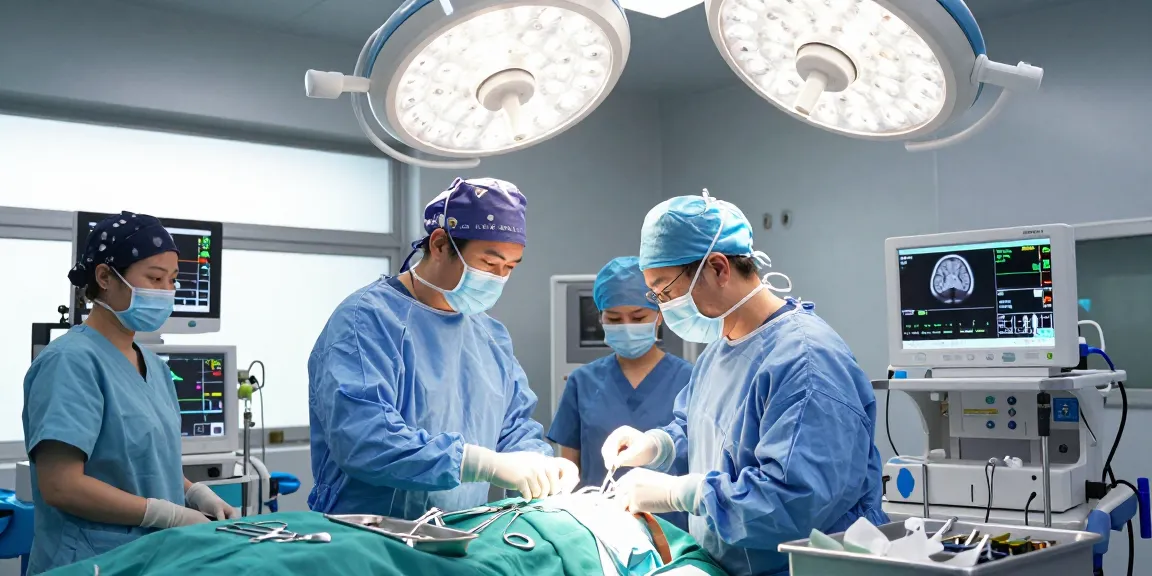
Understanding Beyin Ameliyatı: What You Need to Know
Beyin ameliyatı, a surgical intervention for various neurological conditions, has evolved significantly over the last few decades. This escalating sophistication, driven by advances in technology and medical expertise, offers patients more favorable outcomes. Understanding the nuances of beyin ameliyatı—including its types, purposes, and recovery processes—is crucial for patients and their families. Whether facing a brain tumor, undergoing treatment for a brain hemorrhage, or exploring the innovative awake craniotomy technique, being informed is the first step toward healthier outcomes. When exploring options, Beyin ameliyatı provides comprehensive insights into what to expect and how to prepare.
Definition and Purpose of Brain Surgery
Beyin ameliyatı refers to surgical procedures performed on the brain to treat various disorders such as tumors, vascular malformations, and traumatic injuries. The primary aim of these surgeries is to either remove pathological tissues, alleviate pressure, or stabilize brain function. In many cases, these interventions can significantly improve a patient's quality of life and longevity.
Common Types of Beyin Ameliyatı Procedures
There are several types of brain surgeries, each with specific indications:
- Craniotomy: This is the most common type where a section of the skull is removed to access the brain, usually to remove tumors or blood clots.
- Endoscopic Surgery: A minimally invasive technique using an endoscope for procedures such as pituitary tumors, which can significantly reduce recovery time.
- Awake Craniotomy: This innovative approach allows the patient to be awake during specific stages of surgery, assisting in preserving vital functions by mapping critical areas of the brain.
- Decompressive Craniectomy: This emergency procedure involves the removal of a part of the skull to relieve pressure from brain swelling or severe trauma.
Patient Preparation for Brain Surgery
Preparing for brain surgery involves comprehensive assessment and planning. Patients undergo a detailed evaluation process, including brain imaging studies (MRI, CT scans) and consultations with multidisciplinary teams. Pre-surgical education is vital to help patients understand their procedures, potential outcomes, and recovery strategies. Engaging in a dialogue with their surgical team about risks and benefits is also encouraged to foster a collaborative healthcare experience.
Key Considerations Before Undergoing Beyin Ameliyatı
Assessing Risks and Complications
Like any surgical procedure, beyin ameliyatı carries inherent risks, including infection, bleeding, and neurological damage. It's essential for patients to discuss these risks during pre-operative consultations. Surgeons typically weigh the potential benefits against these risks, conducting thorough assessments to determine the best surgical approach for individual cases.
Evaluating Treatment Options and Alternatives
Before proceeding with surgery, patients should consider alternative treatment options. Depending on the diagnosis, non-invasive treatments such as medications, radiation therapy, or observational strategies may be viable. A multidisciplinary approach involving neurologists, neurosurgeons, and oncologists can provide comprehensive care tailored to individual needs.
Importance of Second Opinions
Seeking a second opinion is especially important when contemplating beyin ameliyatı. Different surgeons may offer varying perspectives on surgical approaches, potential outcomes, and treatment plans. This can empower patients to make informed decisions, ultimately leading to better health outcomes.
The Surgical Process: What to Expect During Beyin Ameliyatı
Overview of Surgical Techniques Used
The techniques utilized during brain surgery are continually advancing, enabling more precise interventions. Technologies like intraoperative MRI and neuro-navigational systems enhance the accuracy of tumor resections and other procedures, minimizing damage to surrounding brain tissue. Surgeons select techniques based on the specific diagnosis, tumor location, and overall health of the patient.
Role of Technology and Equipment in Surgeries
Innovations in surgical tools, including robotic-assisted technologies, have transformed the landscape of beyin ameliyatı. These advancements allow for minimally invasive techniques that reduce recovery time and complications. Surgeons now have access to high-resolution imaging and instrumentation that enhance their ability to navigate complex brain structures during procedures.
Recovery Protocols During and After Surgery
Post-operative care is critical to ensure successful recovery. Patients are typically monitored in an intensive care unit (ICU) before transitioning to a regular ward. Rehabilitation may include physical therapy, occupational therapy, and neurological assessments to facilitate the recovery of lost functions. Communication with the healthcare team is crucial for addressing any emerging concerns during recovery.
Post-Surgery Recovery: Navigating the Healing Process
Common Symptoms and Complications
After brain surgery, patients may experience a range of symptoms such as headaches, fatigue, and difficulty with cognitive functions. Monitoring for complications like infection, seizures, and cerebrospinal fluid leaks is essential during the recovery phase. Regular follow-ups with healthcare providers help ensure any issues are promptly addressed.
Rehabilitation and Support Systems
Rehabilitation plays a vital role in recovery. Patients may work with a team of therapists specialized in physical, occupational, and speech therapies to regain lost skills and functional independence. Family involvement and support are equally important, providing emotional encouragement and practical assistance during the recovery process.
Long-Term Monitoring and Follow-Up Care
Long-term monitoring is essential, especially for patients who have undergone treatment for brain tumors. Regular imaging studies and clinical evaluations help detect any recurrence early. Establishing a follow-up care plan with healthcare providers ensures continuity of care and supports the patient's long-term well-being.
Financial Aspects of Beyin Ameliyatı in 2026
Understanding Costs and Insurance Coverage
The cost of beyin ameliyatı varies widely based on factors such as the complexity of the procedure, the facility's location, and the patient's insurance coverage. It's vital for patients to thoroughly investigate their insurance policies and the potential out-of-pocket expenses associated with surgical care.
Financial Planning for Surgery Expenses
Financial planning is essential for patients anticipating brain surgery. Engaging with hospital financial counselors can help clarify costs and available payment options. Establishing a budget and exploring financial assistance programs may also alleviate the financial burden associated with these critical procedures.
Resources for Financial Assistance and Support
Various organizations offer financial assistance to support patients undergoing brain surgery. Resources such as foundations, non-profits, and healthcare institutions can provide financial aid, grants, or information regarding managing costs related to medical treatment.
What are the common risks of Beyin Ameliyatı?
Common risks associated with brain surgery include postoperative infection, excessive bleeding, neurological deficits, and complications related to anesthesia. Understanding these risks can help patients make informed decisions about their treatment options.
How long is the recovery process for brain surgery?
The recovery process varies by type of surgery and individual health factors. Typically, initial recovery phases last around four to six weeks, with full recovery taking several months to a year.
What advancements are there in brain surgery techniques?
Recent advancements in brain surgery include minimally invasive techniques, robotic-assisted surgeries, and enhanced imaging technologies that improve surgical precision and reduce recovery times.
Are there non-surgical alternatives to Beyin Ameliyatı?
Yes, non-surgical alternatives such as radiation therapy, targeted drug therapies, and various forms of rehabilitation may be suitable in select cases, particularly for conditions like tumors that may not be immediately life-threatening.
How can I prepare for my upcoming brain surgery?
Preparing for brain surgery involves engaging in preoperative consultations, understanding the procedure, following medical advice, and arranging for a support system during recovery. For more information, Beyin ameliyatı offers valuable insights. Emotional preparedness is also vital for navigating the surgical experience successfully.