Understanding Home Appliances
What Are Home Appliances?
Home appliances are devices designed to perform specific household tasks, making everyday living more convenient and efficient. They can be powered by electricity, gas, or other fuels and are divided into two main categories: major appliances, like refrigerators and washing machines, and small appliances, such as toasters and blenders. The primary purpose of these devices is to facilitate tasks related to home life, enhancing comfort and productivity.
Types of Home Appliances
There is a wide variety of home appliances, each serving unique functions. Here's a closer look at the different types:
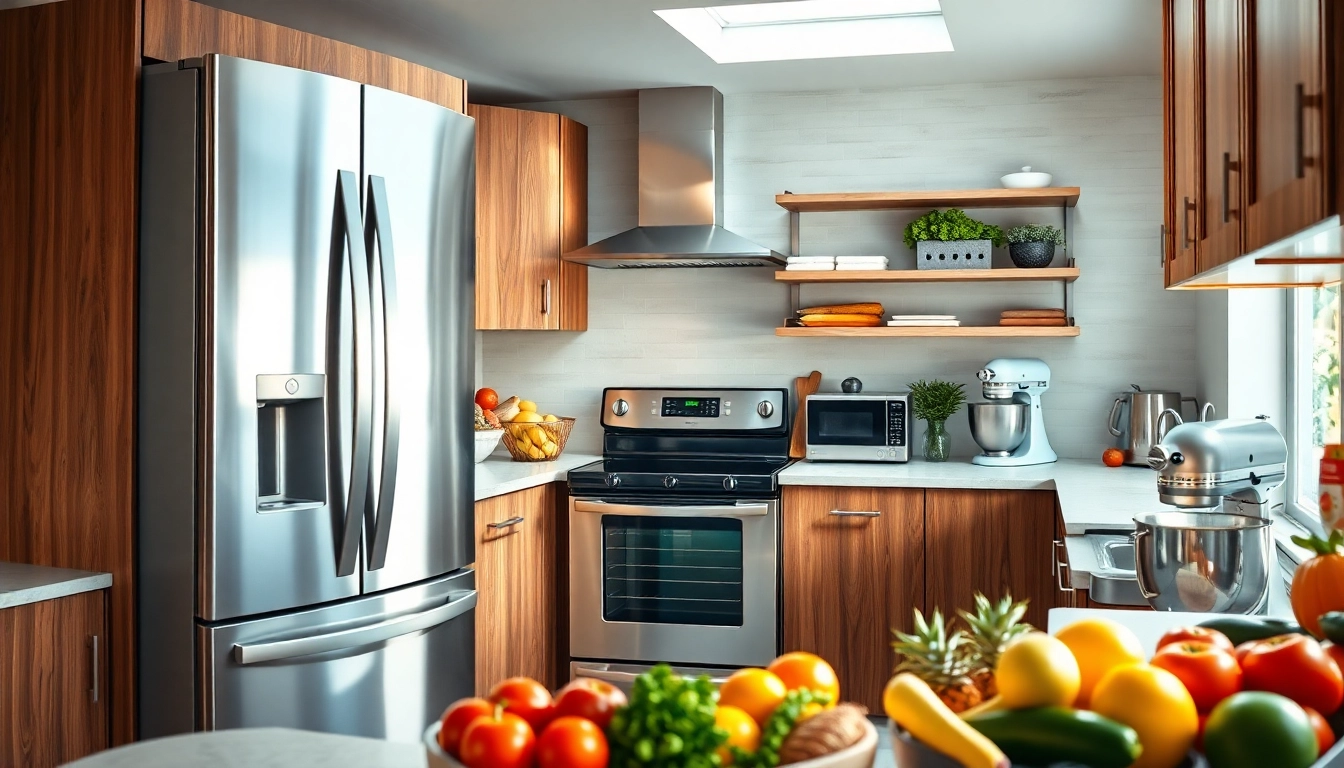
- Major Appliances: These are big electric machines that assist in household chores. Examples include refrigerators, freezers, ovens, dishwashers, washing machines, and dryers.
- Small Appliances: These devices are often portable and versatile, suitable for various tasks in kitchens and other areas. Examples include coffee makers, toasters, microwaves, and electric kettles.
- Built-In Appliances: These are integrated into kitchen cabinetry and are designed to blend seamlessly with the home decor, providing functionality without compromising the aesthetic.
- Smart Appliances: These appliances connect to the internet and can be controlled remotely via smartphones or voice assistants. They often feature energy-saving modes and intelligent sensors.
The Benefits of Home Appliances
Investing in home appliances can significantly enhance your quality of life. Here are some key benefits:
- Time-Saving: Home appliances streamline daily chores, helping you accomplish tasks more efficiently.
- Energy Efficiency: Many modern appliances are designed to consume less electricity or gas, leading to reduced utility bills.
- Improved Safety: Appliances like smoke detectors and stoves with automatic shutoff features enhance home safety.
- Convenience: Appliances simplify complex tasks, allowing you to focus more on family time and leisure.
- Enhanced Quality of Life: Comfortable living conditions, such as climate control from air conditioners, improve overall well-being.
Choosing the Right Home Appliances
Factors to Consider When Buying
When purchasing home appliances, several factors should guide your decisions. Start by assessing your needs, such as the size of your household, the types of meals you prepare, or the laundry load you manage. Consider the following:
- Size and Capacity: Ensure that the appliance fits in your space and meets your capacity requirements.
- Features: Identify features that are important to you, such as energy-saving modes, self-cleaning options, or multiple cooking settings.
- Style and Finish: Choose styles that complement your home decor.
- Warranty and Support: Look for reliable warranties and customer service options, which can be crucial for repairs and maintenance.
Energy Efficiency and Cost Savings
Energy efficiency is crucial when selecting home appliances. Look for the ENERGY STAR® label, which indicates products designed to save energy without sacrificing performance. Investing in energy-efficient models can lead to significant savings on utility bills over time. Moreover, appliances that use technology to optimize energy use—like smart refrigerators that adjust temperature based on contents—can further enhance savings while benefiting the environment.
Popular Brands and Models
While specific brands are not the focus here, it's essential to research and compare models based on reliability, customer reviews, and essential features. Checking out user feedback on various platforms can provide clarity on performance and durability, enabling an informed purchase decision. Always consider models that have been well-reviewed for their efficiency and ease of use.
Maintaining Your Home Appliances
Regular Maintenance Tips
Proper maintenance of home appliances is vital for longevity and performance. Here are some essential tips:
- Cleaning: Regularly clean appliances according to the manufacturer's instructions, removing dirt and grime that can affect efficiency.
- Inspections: Schedule regular checks for moving parts, electrical components, and seals to prevent future issues.
- Proper Usage: Always use appliances as recommended to avoid undue strain or damage.
Common Issues and Solutions
Issues with home appliances can arise, but many can often be resolved with simple troubleshooting. Here are some common problems and corresponding solutions:
- Appliance Not Turning On: Check for power supply issues and ensure the appliance is plugged in correctly.
- Noise: Unusual sounds often indicate something is loose or misaligned and should be checked immediately.
- Poor Performance: If an appliance isn't working as intended, consider cleaning filters or contacting customer support if issues persist.
Extending the Lifespan of Appliances
To maximize the lifespan of your home appliances, consider the following suggestions:
- Invest in quality and reliable products to reduce replacement frequency.
- Be proactive with maintenance and repairs instead of delaying fixes.
- Monitor usage habits and adjust to prevent overuse that could lead to equipment failure.
Integrating Smart Technology
Benefits of Smart Home Appliances
Smart home appliances are gaining popularity due to their ability to enhance efficiency and convenience. Key benefits include:
- Remote Control: Operate appliances from anywhere, allowing for real-time management and automation.
- Energy Monitoring: Many smart appliances track energy use and suggest ways to save.
- Enhanced Safety: Smart features often include alerts for maintenance or abnormal operations, increasing home safety.
Popular Smart Features
Smart home appliances come equipped with several features designed to improve user experience. Some popular features include:
- Voice Activation: Many smart devices are compatible with voice assistants, allowing for hands-free operation.
- Scheduling: Set routines for devices to operate at specific times for improved convenience.
- Remote Diagnostics: Connect with customer service for troubleshooting assistance using built-in sensors that analyze performance.
Future of Home Appliances with Technology
The future of home appliances appears promising, largely influenced by advancements in technology. Trends such as improved machine learning capabilities and A.I. will likely lead to appliances that can better understand user preferences and routines, making them even more efficient and user-friendly. As integrated technology evolves, expect appliances that not only serve their primary functions but also improve home security, sustainability, and energy management.
Frequently Asked Questions about Home Appliances
What are essential home appliances for a new home?
Essential appliances include a refrigerator, oven, and washing machine. Depending on your lifestyle, you might also need a microwave, vacuum cleaner, and dishwasher.
How can I reduce energy consumption with my appliances?
Use energy-efficient models, maintain appliances properly, and utilize smart features to monitor and control energy use, adjusting settings as necessary.
What factors affect the lifespan of home appliances?
Lifespan is influenced by usage frequency, maintenance practices, build quality, and how well the appliance matches your household's needs.
How often should I maintain my home appliances?
Routine maintenance should be performed at least once a year, while some appliances, like refrigerators, may require more frequent checks of their filters and seals.
Are smart home appliances worth the investment?
Often, smart appliances provide convenience, energy savings, and enhanced safety features, making them a worthwhile investment for many homeowners.