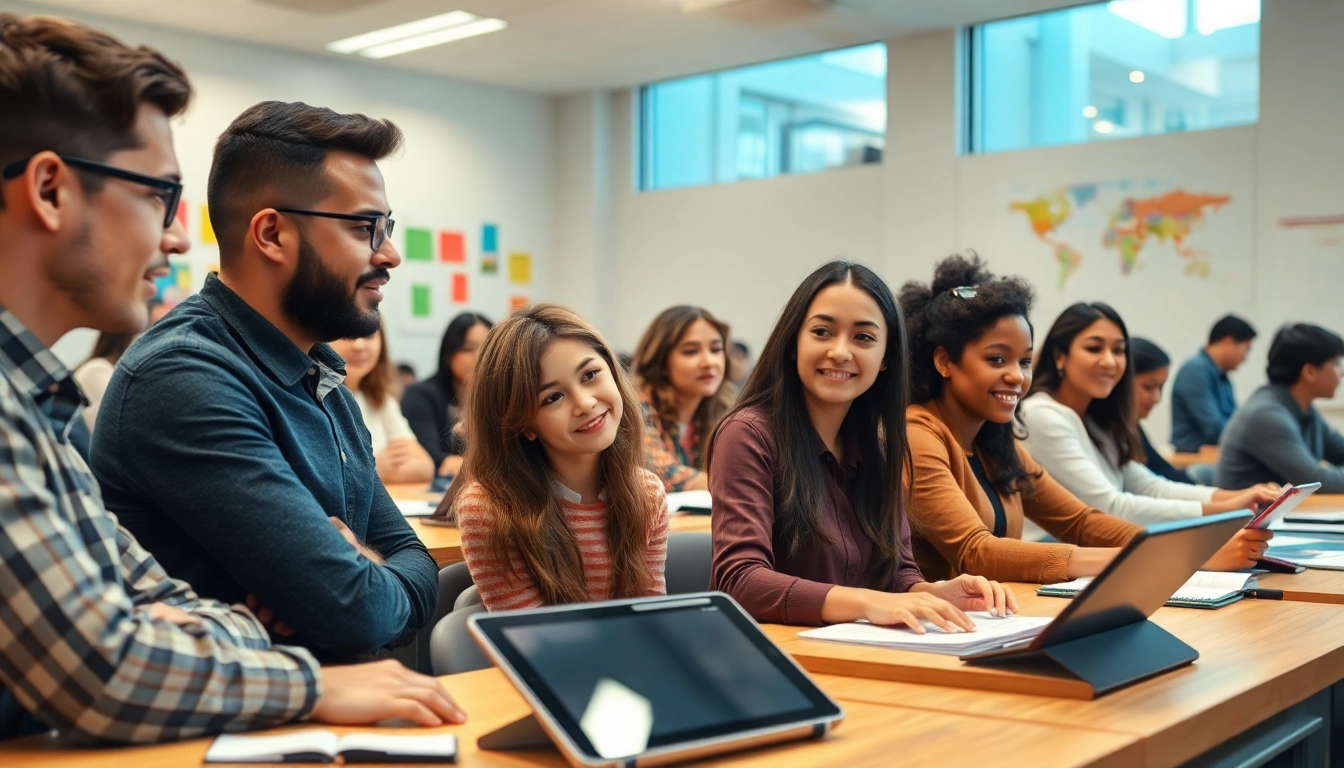
Understanding the Importance of Education
Education is not merely a process of acquiring knowledge but a fundamental pillar that shapes the societal fabric. It propels individuals towards personal growth and empowers communities globally. With the pivotal role of Education deeply ingrained in human development, understanding its significance becomes crucial for fostering progress in a diverse world.
Definition and Scope of Education
At its core, education encompasses various forms of learning and development, including formal, informal, and non-formal methods. It serves as a means of transmitting knowledge and skills from one generation to the next, thereby helping individuals cultivate critical thinking, creativity, and interpersonal skills. The scope extends beyond the classroom, integrating life lessons, cultural values, and ethical considerations vital for navigating real-world challenges.
Historical Perspectives on Education
The concept of education has evolved significantly through centuries, adapting to society's changing needs. Initially, education was predominantly informal, passed down orally within families and communities. With the advent of written language, ancient civilizations such as the Egyptians and Greeks developed structured educational systems. Fast forward to the modern era, education has transformed into a comprehensive and systematic approach—characterized by formal institutions, diverse curricula, and regulatory frameworks—highlighting its role as a driver of social mobility and economic development.
Current Trends and Challenges in Education
In today's dynamic environment, the world of education faces several trends and challenges that deserve attention. The integration of technology into teaching methods has changed traditional learning, enabling online platforms and digital resources that support a more personalized educational experience. However, issues such as digital divide, accessibility, and quality of education remain pressing challenges. Furthermore, the focus on standardized testing raises questions about holistic assessment, prompting educators to seek alternative evaluation methods that reflect a broader range of student competencies.
Advancing Educational Techniques
To ensure that education remains relevant and effective, innovative approaches are essential. These advancements encompass the methodologies employed in teaching as well as the resources used to deliver education.
Innovative Learning Models
Innovative learning models such as project-based learning (PBL) and flipped classrooms emphasize learner agency and engagement. PBL encourages students to work on real-life projects, fostering collaboration and application of theoretical knowledge. Though constructivist in nature, the flipped classroom model shifts traditional lectures out of the classroom, allowing for interactive discussions and deeper analysis during class time. These models not only enhance comprehension but also equip students with essential skills for the workforce.
Utilizing Technology in Education
With the proliferation of digital technology, education is increasingly leveraging innovative tools to enhance learning experiences. Interactive applications, online courses, and gamified learning platforms not only engage students but also provide diverse resources tailored to varying learning styles. The successful incorporation of technology requires strategic planning, educator training, and ensuring equitable access to all students to prevent disparities in educational opportunities.
Creating Inclusive Learning Environments
Inclusive education prioritizes accessibility for all learners regardless of background, ability, or socioeconomic status. Designing curricula that openly accommodate diverse learning needs fosters an environment where each student feels valued and empowered. This can involve differentiated instruction, providing varied teaching materials, and incorporating assistive technologies, aiming to support learners, including those with disabilities or from underrepresented groups.
Key Metrics for Evaluating Education Effectiveness
Measuring education effectiveness can be complex but critical in improving systems and outcomes. Utilizing precise metrics helps educators and policymakers refine their approaches.
Assessment Methods in Education
Assessment methods serve as a crucial mechanism for gauging student understanding and instructional efficacy. Formative assessments such as quizzes, peer evaluations, and class discussions enable real-time feedback, guiding instructional adjustments. Summative assessments provide insights into cumulative learning and program effectiveness, informing stakeholders on effective practices and areas needing improvement.
Performance Indicators to Monitor
The development of clear performance indicators serves as a benchmark in assessing educational quality. Metrics such as graduation rates, standardized test scores, and post-graduation outcomes offer quantifiable data reflecting education systems' performance. Additionally, incorporating qualitative measures such as student engagement and satisfaction provides a holistic view of education's impact.
Feedback Mechanisms for Improvement
Implementing robust feedback mechanisms enhances the educational framework. Regular feedback from students, parents, and educators fosters an atmosphere of open communication, identifying areas for growth. Moreover, continuous professional development opportunities equip educators with the necessary skills to adapt to evolving educational needs and methodologies.
Resources and Tools for Educators
Educators have numerous resources and tools at their disposal to enhance teaching and learning experiences. Exploring unconventional teaching materials and platforms can significantly transform educational delivery.
Unconventional Teaching Materials
Utilizing unconventional teaching materials, such as literature, arts, and hands-on activities, enhances learning. These resources encourage creativity and critical thinking, allowing students to apply knowledge in diverse contexts. Teachers can integrate role-plays, simulations, and problem-solving challenges to enrich the curriculum, fostering a deeper understanding of subject matter.
Online Platforms Supporting Education
Online platforms have become game-changers in the educational landscape. Sites offering educational videos, interactive exercises, and virtual classrooms provide access to a wealth of information, facilitating self-paced learning. Educators can harness these platforms not only to deliver core content but also to enhance collaboration through discussion forums and group projects, nurturing a sense of community among learners.
Communities and Networks for Educators
The establishment of professional communities and networks promotes knowledge sharing and collaboration among educators. Engaging in forums, attending workshops, or participating in professional development initiatives fosters innovative practices and encourages teachers to explore new methods. Building these connections helps educators navigate challenges more effectively and inspires continuous growth and improvement in the teaching profession.
Future Directions in Education
As society shifts and adapts to new realities, education must evolve to prepare individuals for a rapidly changing world. Below are some key future directions education is likely to take.
Pioneering Changes in Curriculum Design
The future of education will likely see a shift towards interdisciplinary and experiential learning. Emphasizing real-world applications and critical thinking, curricula that merge various subject areas can enhance the relevance of traditional education. Institutionally, education may evolve to incorporate more flexible pathways that include vocational training, internships, and collaborative projects with local industries, preparing students for diverse career trajectories.
Skills for Tomorrow's Workforce
Fostering skills crucial for future employment will be a priority for education systems worldwide. Besides foundational literacy and numeracy, skills like critical thinking, creativity, emotional intelligence, and digital literacy will increasingly be emphasized. Incorporating these essential competencies into curricula will better equip students to thrive in an unpredictable future, contributing to both personal success and societal advancement.
Global Perspectives on Education Initiatives
Countries across the globe are engaging in innovative educational initiatives aimed at addressing local and global challenges. Collaborations among nations can facilitate the exchange of strategies, proven practices, and resources. Emphasizing global citizenship, educators can instill values of social responsibility and cultural awareness in students, promoting a generation capable of addressing pressing global issues, fostering inclusivity, and creating equitable societies.