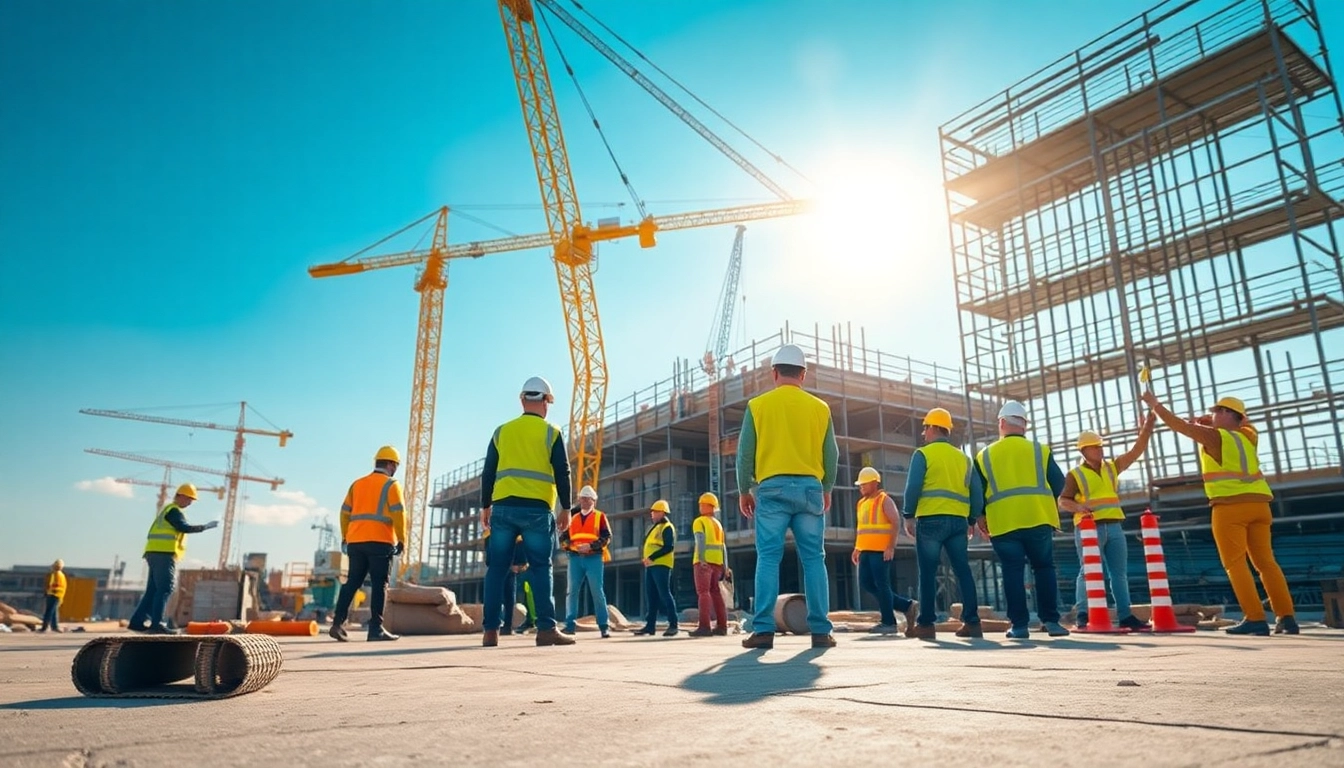
Understanding the Role of a Manhattan Construction Manager
The Manhattan Construction Manager plays a pivotal role within the construction industry, particularly in bustling urban environments like Manhattan. As the orchestrator of construction projects, this professional not only oversees the logistics and operations of building endeavors but is also integral to enhancing collaboration among various stakeholders. Given the complexities inherent in construction, particularly in dense metropolitan areas, the role has evolved, requiring a blend of technical expertise, management skills, and a keen understanding of urban dynamics. Emphasizing the importance of effective leadership and coordination, the Manhattan Construction Manager ensures that projects are not only completed on time and within budget but also meet quality and safety standards.
Definition and Importance of Construction Management
Construction management encompasses various processes, from planning and coordination to execution and completion of construction projects. At its core, it is about managing resources—human, financial, and material—to achieve the best possible outcomes. In Manhattan, where land is at a premium and projects often face unique challenges, the role of a Construction Manager becomes even more crucial. By coordinating various aspects of construction work, these professionals help mitigate risks, enhance efficiency, and ensure that projects align with the expectations of clients and stakeholders.
Essential Skills for Effective Management
Successful Manhattan Construction Managers possess a diverse skill set to navigate the complexities of construction projects. Key skills include:
- Communication: Clear communication is vital for ensuring that all stakeholders are on the same page. A robust communication strategy helps prevent misunderstandings and keeps the project moving forward.
- Leadership: Effective construction managers motivate their teams, fostering an environment of collaboration and accountability. Leadership skills also facilitate conflict resolution and decision-making.
- Financial Acumen: Understanding budgets, financial forecasting, and cost control is essential for keeping projects within financial constraints.
- Problem-Solving: Construction projects often encounter unexpected challenges. Strong problem-solving skills enable managers to identify issues quickly and devise effective solutions.
- Technical Knowledge: Familiarity with construction methods, materials, and technologies is crucial for informed decision-making.
How a Manhattan Construction Manager Facilitates Team Collaboration
Team collaboration is essential for successful project delivery. A Manhattan Construction Manager fosters a collaborative environment through regular meetings and updates, where all team members can voice concerns and share insights. Tools and software that promote project management and real-time communication also help streamline collaboration among architects, engineers, subcontractors, and clients.
Key Responsibilities of a Manhattan Construction Manager
The responsibilities of a Manhattan Construction Manager are multi-faceted, often changing depending on the project phase and specific requirements. Here are some of the core responsibilities:
Project Planning and Resource Allocation
Effective project planning is the cornerstone of successful construction management. A Construction Manager in Manhattan must develop a detailed project plan that outlines timelines, resources, and logistics. This plan should consider potential obstacles related to urban infrastructure, zoning regulations, and environmental concerns. Resource allocation is equally critical, ensuring that the right personnel and materials are available at the right time to maximize efficiency.
Budget Management and Cost Control
Budget management is one of the most crucial aspects of a Construction Manager’s role. This involves creating accurate budget forecasts, tracking spending, and making adjustments as necessary. Advanced cost control techniques, such as Earned Value Management (EVM), can be employed to assess project performance and financial health continuously, allowing for proactive adjustments that keep costs within the projected limits.
Quality Assurance and Compliance
Maintaining quality standards is fundamental to a Construction Manager’s responsibilities. This includes ensuring that all work complies with local codes, regulations, and safety standards. Conducting inspections, utilizing checklists, and implementing quality control processes are essential tasks to uphold high standards throughout the project lifecycle.
Challenges Faced by Manhattan Construction Managers
Manhattan construction projects are fraught with challenges arising from both internal and external factors. Understanding these hurdles is crucial for a Construction Manager’s success.
Common Obstacles in Construction Projects
Throughout their tenure in the field, Manhattan Construction Managers frequently face obstacles such as:
- Regulatory Hurdles: The strict zoning laws and regulations in Manhattan can delay project timelines if not properly navigated.
- Weather Conditions: New York's unpredictable weather can cause project delays and impact timelines significantly.
- Resource Scarcity: In a densely populated urban setting, limited space for materials storage and contractor access can complicate logistics.
Strategies for Overcoming Project Delays
To combat delays, Construction Managers can implement various strategies, such as adopting agile project management techniques to adjust quickly to unforeseen challenges or investing in pre-construction services that refine project designs and planning stages upfront. Establishing strong relationships with local authorities can also facilitate quicker permit approvals.
Managing Stakeholder Expectations Effectively
Effective communication is crucial for managing stakeholder expectations. Regular project updates and transparent reporting can help mitigate concerns and ensure all parties are informed of progress and potential issues. Utilizing stakeholder engagement techniques can further cultivate a sense of involvement and ownership among team members and clients alike.
Best Practices for a Manhattan Construction Manager
To achieve project success and maintain a competitive edge, Construction Managers should adhere to best practices in the industry.
Utilizing Technology for Improved Efficiency
The implementation of technology in construction management practices has revolutionized the industry. Tools such as Building Information Modeling (BIM) enhance project visualization and coordination, while project management software enables real-time tracking of timelines and budgets. Embracing these technologies can lead to increased efficiency and reduced costs.
Creating a Culture of Safety on Site
Safety should always be a top priority on construction sites. Implementing comprehensive safety programs, conducting regular training sessions, and utilizing personal protective equipment (PPE) can mitigate risks significantly. A culture of safety not only protects workers but also enhances productivity and project reputation.
Continuous Learning and Professional Development
The construction industry is continually evolving, and staying updated with trends, regulations, and technologies is essential for success. Engaging in continuous learning through workshops, certifications, and industry conferences can help Construction Managers sharpen their skills and knowledge, ensuring they are well-equipped to meet the demands of modern construction projects.
Future Trends in Construction Management in Manhattan
As the construction landscape in Manhattan evolves, several trends are shaping the future of construction management.
Impact of Sustainable Practices on Projects
With growing environmental concerns, sustainable building practices are increasingly becoming a focal point in construction projects. The shift towards green building materials, energy efficiency, and waste reduction not only meets regulatory demands but also enhances project value and marketability.
Incorporating Smart Technology in Construction
The integration of smart technology—such as IoT devices and AI—into construction management processes is on the rise. These technologies can streamline operations, improve data collection for better decision-making, and enhance communication among project teams.
The Evolving Role of a Manhattan Construction Manager in a Changing Industry
The role of a Manhattan Construction Manager is continuously evolving in response to technological advances, shifting market demands, and societal expectations. Emphasizing adaptability, integrative thinking, and innovative problem-solving will be essential for future leaders in the field. As the industry transforms, those who can navigate change and leverage new opportunities will thrive in the challenging yet rewarding world of construction management.