Understanding Crawl Space Restoration
What is Crawl Space Restoration?
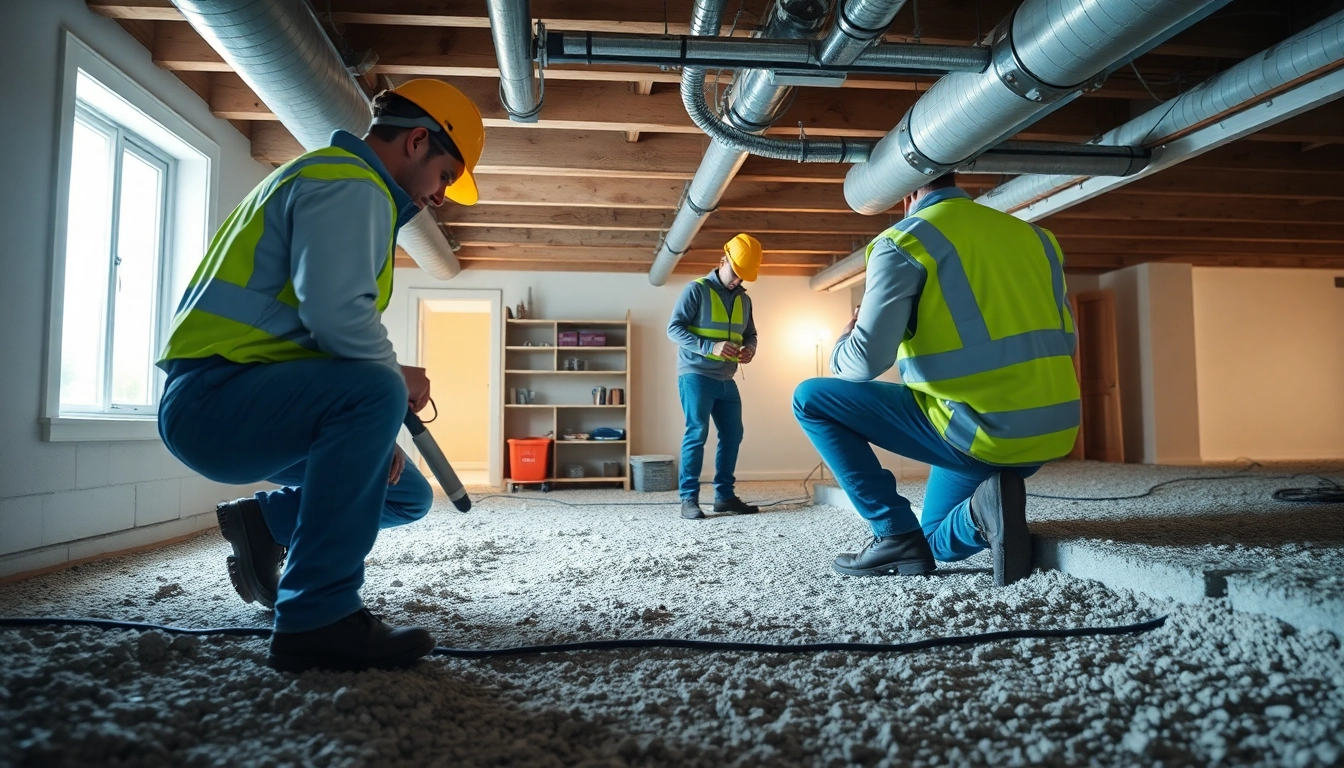
Crawl space restoration refers to the process of repairing, sealing, and improving the overall condition of the crawl space beneath a home. This essential aspect of home maintenance ensures that the area remains dry, free from pests, and structurally sound. Crawl spaces play a crucial role in a building’s foundation and can affect the overall health of a home. When conducting a crawl space restoration, a combination of moisture control, insulation, and structural repairs is typically involved, working to create an environment that is safe and efficient in terms of energy use. For many homeowners, understanding the importance of Crawl Space Restoration can empower them to maintain their properties better.
The Importance of Crawl Space Maintenance
Regular crawl space maintenance is vital for preserving the integrity of your home. Neglecting this area can lead to a host of problems ranging from minor inconveniences to severe structural damage. Maintaining the crawl space helps prevent moisture accumulation, which can cause mold growth and compromise indoor air quality. It also aids in pest control, as crawl spaces can become habitats for rodents and insects. Additionally, proper maintenance can enhance the energy efficiency of a home. Insufficient insulation in the crawl space can lead to higher heating and cooling costs, making ongoing upkeep and potential restoration a financially savvy choice for homeowners.
Common Issues in Crawl Spaces
Crawl spaces can experience various problems that can significantly impact both the structure of a home and the health of its inhabitants. Below are some of the most common issues:
- Moisture Build-Up: High humidity can lead to dampness, promoting mold growth and wood rot.
- Pest Infestation: Insects and rodents often take refuge in crawl spaces, creating further health concerns.
- Poor Insulation: Insufficient insulation can lead to increased energy costs due to heat loss.
- Structural Damage: Rotting wood from moisture can weaken support beams, leading to foundational issues.
- Unpleasant Odors: Mold and decaying organic material can result in musty smells infiltrating the house.
Key Steps in Crawl Space Restoration
Inspection and Assessment Process
The first step in any crawl space restoration project is a thorough inspection. Homeowners should evaluate their crawl spaces for signs of moisture, mold, pests, and structural integrity. This assessment often involves checking for water stains, rot on wooden beams, and unusual odors. Utilizing a flashlight can help you see deeper into corners and hidden areas. Additionally, measuring the humidity levels with a hygrometer will provide valuable insight into the moisture content of the air. After the inspection, a detailed report can guide the restoration process, helping to prioritize necessary repairs and interventions.
Choosing the Right Restoration Materials
Once the assessment is complete, selecting appropriate materials is crucial to successful crawl space restoration. Homeowners should consider the following materials:
- Vapor Barriers: Thick polyethylene sheeting helps prevent moisture from seeping into the crawl space.
- Insulation: Various insulation types, such as spray foam or rigid foam boards, help improve energy efficiency.
- Drainage Systems: A well-designed drainage system is essential for directing moisture away from the foundation.
- Sealants: High-quality sealants can protect wood structures from moisture and decay.
- Dehumidifiers: Installing a dehumidifier can help regulate humidity levels, preventing mold growth.
Implementing Effective Solutions
After selecting the correct materials, it is time to implement restoration solutions. Some of the most effective methods include:
- Sealing: Seal any cracks or gaps in the crawl space walls and foundation to prevent moisture entry.
- Ventilation: Increasing airflow through vents or fans can help minimize humidity buildup.
- Encapsulation: Encapsulating the crawl space involves sealing it completely with vapor barriers, ensuring it remains dry.
- Drainage Solutions: Installing sump pumps or French drains can significantly help manage water accumulation.
- Regular Maintenance: Schedule periodic inspections to monitor the condition of the crawl space and make adjustments as necessary.
Benefits of Crawl Space Restoration
Improved Home Air Quality
One of the most significant benefits of crawl space restoration is the improvement of indoor air quality. A well-maintained crawl space minimizes moisture, which in turn reduces the risk of mold development. Mold spores can easily circulate through the home’s air system, leading to potential health issues such as respiratory problems and allergies. Improved ventilation and humidity control in the crawl space help ensure that harmful pollutants do not infiltrate living spaces, creating a healthier environment for all occupants.
Enhanced Structural Integrity
Restoring a crawl space plays a critical role in reinforcing the structural integrity of a home. Moisture problems can lead to wood rot and weaken support beams, which compromises the foundation. By addressing and mitigating these issues through restoration, homeowners can help protect their properties from significant damage. A structurally sound home not only retains its aesthetic appeal but also ensures safety and longevity.
Increased Property Value
Investing in crawl space restoration is an effective way to enhance the overall value of a property. By ensuring that all aspects of the home, including the crawl space, are well-maintained, homeowners can present their property favorably in the real estate market. Potential buyers are often wary of homes with known crawl space issues, which might deter them or lead to lower offers. A restored crawl space can often be a unique selling point that sets a property apart.
Challenges in Crawl Space Restoration
Dealing with Moisture Issues
Moisture control is one of the most persistent challenges in crawl space restoration. High humidity levels can reoccur, even after restoration efforts have been made. Effective moisture management requires continuous monitoring and potentially the use of dehumidifiers or improved sealing materials. Homeowners often need to invest in drainage systems or sump pumps to redirect water, as mere ventilation may not suffice in high-humidity areas.
Pest Control Considerations
Pests pose another significant challenge in crawl space restoration. Rodents, insects, and other critters may return if preventative measures are not adequately implemented. The use of chemical repellents can be effective but must be balanced with eco-friendly alternatives to avoid harming the environment. Creating a barrier against pests, such as installing wire mesh around vents, can keep unwanted guests out.
Access and Workability Problems
The cramped nature of crawl spaces can make restoration work challenging. Limited access may hinder thorough inspections or repairs. Homeowners need to ensure that they select qualified professionals familiar with working in tight, confined spaces. In some instances, it may be necessary to create additional access points throughout the crawl space to facilitate the restoration process effectively.
FAQs on Crawl Space Restoration
How long does Crawl Space Restoration typically take?
The duration of the restoration process varies based on the extent of the issues present but generally can take a few days to a week.
Can I perform Crawl Space Restoration myself?
While some tasks are manageable as DIY projects, it is advisable to seek professional assistance for complex issues to ensure safety and effectiveness.
What signs indicate my crawl space needs restoration?
Look for signs such as mold growth, unpleasant odors, increases in pests, or visible structural damage to know when restoration is necessary.
Is Crawl Space Restoration necessary for all homes?
Yes, especially in humid climates, restoration is essential for preventing future damage and health risks related to moisture and pests.
What should I expect after Crawl Space Restoration?
Post-restoration, homeowners can expect improved indoor air quality, reduced moisture problems, and enhanced structural health, contributing to the overall well-being of the property.