Understanding the Cape Cod Home Addition Concept
What is a Cape Cod Home Addition?
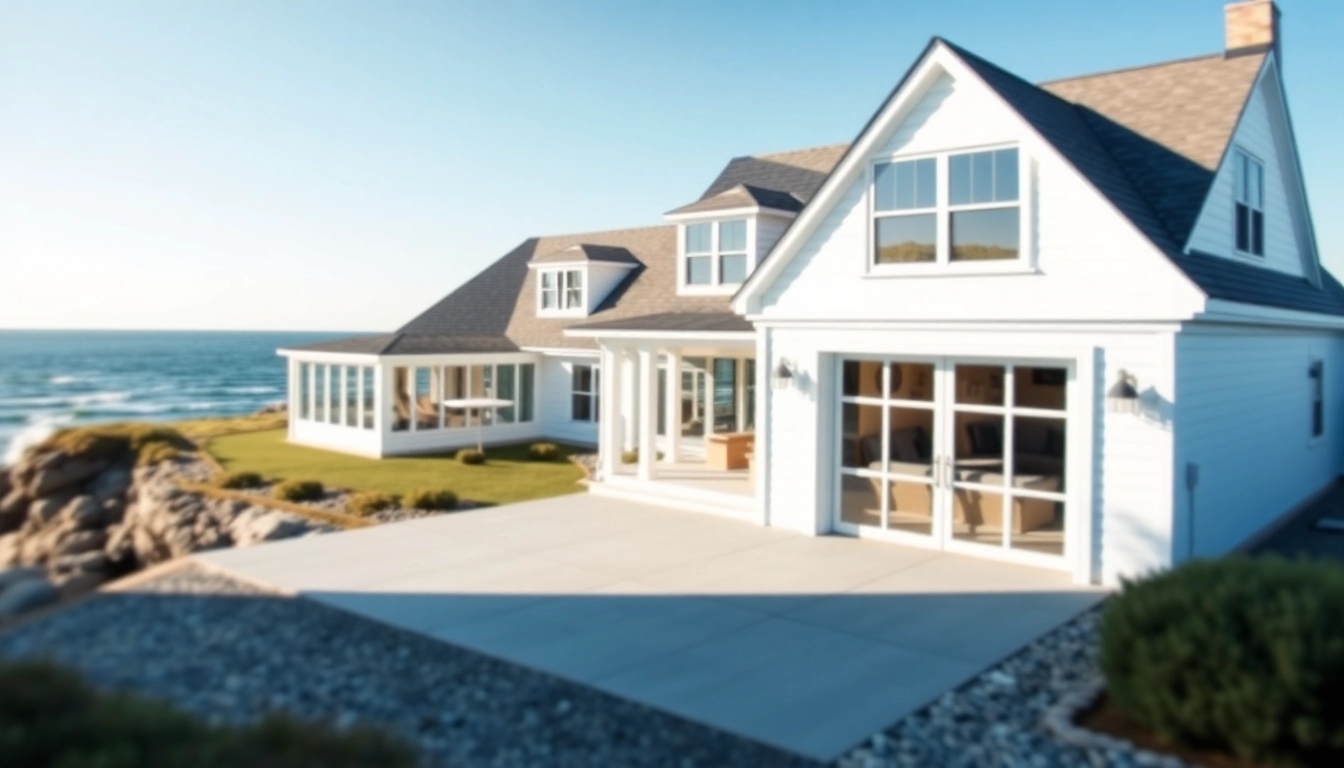
A cape cod home addition is a design enhancement that increases the living space of your existing Cape Cod-style home. Traditionally characterized by steeply pitched roofs, symmetrical facades, and dormer windows, the Cape Cod home design features distinct architectural elements that are deeply rooted in New England coastal living. An addition can vary widely—from expanding your living room to adding an entire second floor or a sunroom—while remaining stylistically cohesive with the home’s original design. The goal is to seamlessly integrate this new space without sacrificing the historical integrity and charm that defines Cape Cod architecture.
Benefits of Expanding Your Cape Cod Home
Expanding your Cape Cod home presents numerous benefits, ranging from enhanced living comfort to increased property value. Here are some key advantages:
- Increased Space: More room means enhanced functionality. Whether you need an extra bedroom, a playroom for kids, or a larger kitchen, an addition can fulfill your requirements.
- Improved Property Value: Adding usable square footage typically boosts your home’s market value, making it a wise investment.
- Customized Design: Home additions allow you to create spaces tailored to your family’s lifestyle and preferences, thereby improving everyday living.
- Enhanced Aesthetics: A well-executed addition can elevate your home’s curb appeal and maintain its historical charm.
- Sustainable Improvements: This is also an opportunity to incorporate energy-efficient features, which can lower utility bills and minimize your environmental footprint.
Design Styles for Cape Cod Additions
Designing a home addition requires careful consideration to ensure harmony with the existing structure. Here are popular design styles for Cape Cod additions:
- Traditional Cape Cod: Maintain the traditional elements, such as wood siding, gabled roofs, and dormer windows while expanding your space.
- Modern Cape Cod: Introduce contemporary elements like large glass doors and open layouts while retaining classic Cape Cod features.
- Cottage Style: Embrace a cozy aesthetics with shiplap walls, barn doors, and warm color palettes.
- Transitional Design: Blend modern and traditional styles for a fresh approach that balances contemporary living with historical references.
Planning Your Cape Cod Home Addition
Determining Budget and Financing Options
Planning a cape cod home addition begins with a clear budget. Average costs can range from $100 to $400 per square foot, depending on materials and complexity. It’s essential to outline all potential expenses, including construction, design fees, permits, and interior finishing. Consider various financing methods like home equity loans, personal loans, or refinancing your mortgage to fund your project. Consulting a financial advisor can provide insight into the best options for your situation.
Choosing the Right Architect and Contractors
Choosing an architect and contractor who understands the nuances of Cape Cod-style homes is crucial. Start by researching professionals with proven experience in home additions. Request portfolios, check references, and read reviews to ensure they have a solid track record. Collaboration is vital, so find someone whose vision aligns with yours and communicates effectively. A professional can provide valuable input on design, zoning laws, and structural concerns.
Permits and Regulations for Home Additions
Before proceeding with construction, securing the necessary permits is paramount. Reach out to your local building department to understand zoning laws and building codes relevant to your area. Common permits required for home additions include building permits, electrical permits, and plumbing permits. Ensuring compliance with local regulations can help avoid delays and potential fines during the construction process.
Design Considerations for Cape Cod Additions
Maximizing Natural Light in Your Design
Natural light is a hallmark of a well-designed home. Large windows, skylights, and open floor plans can significantly enhance the brightness of your addition. Consider positioning windows to capture sunlight at different times of the day, and aim for a balance between glass and wall to maintain privacy without sacrificing light.
Integrating Modern Features in Traditional Style
While maintaining the classic Cape Cod design, introducing modern features can significantly enhance livability. This can include open-concept living areas, smart home technologies, energy-efficient appliances, and contemporary materials. Strive for a design that marries the old with the new—this will not only modernize your home but also cater to contemporary family needs.
Sustainable Materials for Home Additions
Sustainability plays a pivotal role in modern home additions. Consider using materials that are eco-friendly, such as reclaimed wood, low-VOC paints, and energy-efficient windows. Sustainable choices not only minimize environmental impact but can also lead to long-term savings through energy efficiency. An eco-conscious design approach can enhance your home’s appeal to environmentally-minded buyers in the future.
Implementing Your Cape Cod Home Addition
Timeline and Milestones for Construction
Establishing a clear timeline is essential for managing expectations during the addition process. A typical home addition may take anywhere from three to eight months, depending on the project’s size. Major milestones often include design finalization, securing permits, the foundation pour, structural framing, and interior finishing. Keeping a production schedule will help ensure that everything progresses smoothly.
Overcoming Common Construction Challenges
Construction is often fraught with challenges, such as material shortages, weather delays, or unexpected structural issues. Regular communication with your contractor can help address issues as they arise. Additionally, having contingency plans in place (such as a flexible timeline and budget) can mitigate the stress commonly associated with construction projects.
Designing for Functionality and Aesthetics
It is vital to balance aesthetics with functionality in your Cape Cod addition. Focus on traffic flow and how the new space will serve your daily activities. Consider practical features, such as storage solutions, multipurpose designs, and furniture that matches the scale of your space. A well-designed addition should be both beautiful and functional, enhancing your lifestyle without compromise.
Maintaining Your Cape Cod Home Addition
Regular Maintenance Tips for Longevity
Once your Cape Cod addition is complete, establishing a regular maintenance schedule will ensure its longevity. Regularly inspect the exterior for wear and tear, clean gutters, repaint surfaces as necessary, and ensure that landscaping remains clear of the home’s foundation. Keeping up with maintenance helps preserve aesthetics and prevents potential costly repairs in the future.
Updating Decor to Complement the Addition
As your family grows and your needs evolve, updating your interior decor may be necessary to complement your new space. Incorporate elements from the addition into existing areas—whether through color palette, furniture style, or window treatments—to create a cohesive overall feel. Seasonal updates can also breathe new life into your space and keep your home feeling fresh.
Assessing Long-Term Value of Your Home Addition
Finally, understanding the long-term value of your Cape Cod home addition entails recognizing its impact on your property market value. Appraisals can assess improvements, and improvements often reflect in your home equity positively. Stay attuned to market trends to grasp how your addition affects your home’s worth and neighborhood’s overall appeal.
Frequently Asked Questions (FAQs)
What is the average cost of a Cape Cod home addition?
The average cost of a Cape Cod home addition can range from $100 to $400 per square foot, depending on your location, materials, and design complexity.
How do I choose the right design for my home addition?
Consider the architectural style of your existing home, your functionality needs, and how the new space can enhance your overall living experience while maintaining aesthetic harmony.
How long does it take to complete a Cape Cod home addition?
The completion time for a Cape Cod home addition generally ranges from three to eight months, influenced by the size and scope of the project.
What are essential maintenance tips for my home addition?
Regularly inspect the exterior, clean gutters, and repaint surfaces as necessary to preserve aesthetics and prevent wear and tear on your addition.
How can I increase the value of my home addition?
Incorporate energy-efficient design features, harmonious aesthetics, and practical living functions to enhance the overall appeal and value of your Cape Cod home addition.