
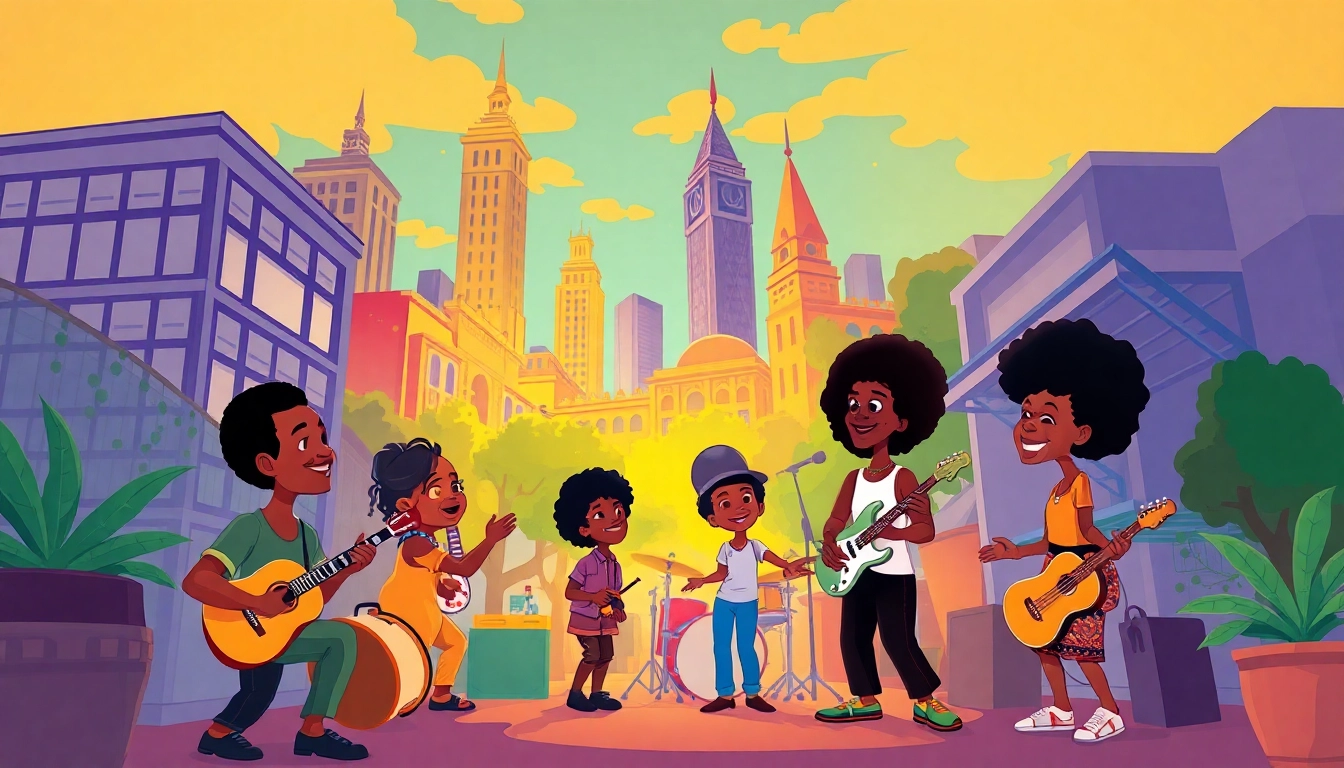
Understanding the Impact of African American Cartoons
African American cartoons have played a pivotal role in shaping not only animation but also cultural narratives in the United States and beyond. From early representations to contemporary masterpieces, these animated works have provided a platform for storytelling that resonates with diverse audiences. This genre explores themes of identity, resilience, and social issues, engaging viewers of all ages. When exploring options, African American Cartoons showcases a variety of shows that highlight this rich tapestry of animation, offering unique perspectives and vibrant characters.
The Historical Significance of Representation
The significance of representation in media cannot be overstated. African American cartoons have been a means to convey cultural narratives that reflect the experiences and histories of Black communities. Early animations, such as those from the 1920s and 1930s, often depicted racial stereotypes. However, as awareness grew regarding the impact of these portrayals, creators began to push back against caricatured depictions, instead offering more complex characters and narratives that celebrate the richness of African American culture.
For instance, shows like “Fat Albert and the Cosby Kids” introduced audiences to relatable characters who addressed real-life issues like friendship, responsibility, and community while simultaneously reflecting the African American experience in a more positive light. This shift not only provided a different perspective but also educated viewers about social issues affecting Black communities.
Key Themes and Messages in African American Animation
Across the spectrum of African American cartoons, several recurring themes emerge that resonate deeply with audiences. Humility and resilience in the face of adversity are often portrayed, illustrating the strength of spirit found within communities. Humor is frequently used as a vehicle for deeper messages, allowing serious subjects to be approached in an engaging manner.
Another prevalent theme is the importance of family and community. Series such as “The Proud Family” focus on familial bonds, celebrating Black culture through family-oriented stories and relatable humor. These themes not only entertain but also instill values that are essential for the viewers’ personal development and cultural understanding.
How These Cartoons Influence Cultural Identity
Cartoons hold a unique position in shaping cultural identity, especially for young viewers. The portrayals of Black characters and communities in animation help children to see themselves reflected in stories, which can enhance their self-esteem and sense of belonging. When children watch characters that share their experiences, it fosters validation and understanding of their own identity.
Moreover, these animations often serve as introductory lessons to broader historical and social contexts. By embedding narratives addressing racial injustice or cultural heritage within engaging storylines, cartoons ensure that discussions about identity and society happen organically, making them accessible to younger audiences.
Top African American Cartoons to Watch in 2026
Classic Favorites That Shaped Generations
As we look back, certain African American cartoons remain timeless classics, continuing to influence new generations. “The Boondocks,” created by Aaron McGruder, is a quintessential example. Its sharp social commentary and dynamic characters led the charge for critical discussions about race and identity in America.
- Fat Albert and the Cosby Kids – A cultural cornerstone that combines entertainment with life lessons.
- The Proud Family – A heartwarming depiction of a Black family and their adventures, laden with humor and lessons.
- Static Shock – This show not only features a Black superhero but also addresses issues like gun violence and racism in a relatable manner.
Modern Hits: Fresh Perspectives in Animation
As of 2026, several modern animated series resonate with audiences, offering fresh narratives and perspectives. “Craig of the Creek” is one such show that portrays the adventures of a young African American boy and his friends as they explore their neighborhood. It emphasizes friendship, family, and the importance of imagination.
Another recent gem is “Tuca & Bertie,” which, while not exclusively centered on African American narratives, features a predominantly Black cast and addresses issues of mental health, relationships, and societal expectations through a humorous lens. These series are reshaping how stories are told in animation today.
Upcoming Series: What’s on the Horizon?
The future looks promising for African American animation, with several anticipated series set to debut. “House of Payne,” a revival of the classic family sitcom that will soon transition into animated format, showcases the importance of family while appealing to both old and new fans.
Another exciting new series, “The Black Superhero,” aims to represent diverse personalities and experiences within the superhero genre, highlighting unique stories that have yet to be told in mainstream animation. These upcoming series signify a continued commitment to representation and storytelling that resonates with all viewers.
Character Spotlights: Icons of African American Animation
Exploring Memorable Male Characters
Male characters in African American cartoons have often been depicted as role models, blending strength with vulnerability. Characters like Huey Freeman from “The Boondocks” exemplify the voice of a generation questioning societal norms and advocating for justice.
Static, from “Static Shock,” serves as an inspirational figure, navigating adolescence while also serving as a superhero. His character represents the duality of the Black experience – balancing everyday challenges with the weight of societal expectations.
Celebrating Strong Female Characters
Female characters in African American cartoons showcase strength, intelligence, and resilience. Penny Proud from “The Proud Family” is a standout, exemplifying youth empowerment and the struggles of adolescence while addressing cultural identity and family dynamics.
Doc McStuffins also warrants recognition; her character not only promotes healthcare awareness among children but does so within the context of a strong female lead who is a first-generation American. This highlights the intersectionality of race, gender, and culture in children’s programming.
The Role of Side Characters in Storytelling
Side characters often provide depth and humor, adding layers to the main narrative. In “Fat Albert,” characters like Mushmouth and Bill are not only comic relief but also add to the moral teachings of the series.
In “The Proud Family,” characters like LaCienega Boulevardez serve as foils to Penny, showcasing varied experiences within the Black community and adding complexity to the storylines. These characters enrich the narrative while reflecting real-life dynamics.
Educational Benefits of African American Cartoons
Promoting Diversity and Inclusion through Animation
The role of African American cartoons in education extends beyond entertainment; they are powerful tools for promoting diversity and inclusion. By showcasing different cultures and experiences, these shows cultivate empathy and understanding among young audiences.
Educational series, such as “Bino and Fino,” focus on teaching children about African history, culture, and languages while providing entertainment. This blend of fun and education empowers children to appreciate their heritage and the cultures of others.
Lessons on Ethics and Morality from Animated Stories
Many African American cartoons incorporate ethical lessons that resonate with viewers. Series like “Doc McStuffins” instill values of kindness, empathy, and respect, teaching children the importance of caring for others.
In “The Boondocks,” while often humorously satirical, there are deep moral lessons woven into the fabric of the episodes, encouraging critical thinking about societal issues and personal integrity.
Using Animation as a Tool for Learning
Animation serves as an engaging learning tool, especially for younger audiences. Characters and storylines make complex topics more digestible. Cartoons like “Sesame Street,” though not exclusively African American, feature diverse characters and teach important life skills.
Furthermore, shows like “Gracie’s Corner” merge music and animation to create an enjoyable learning environment, demonstrating how creativity can enhance educational experiences.
The Future of African American Cartoons
Emerging Trends in Animation Styles
The animation landscape is evolving, with new styles emerging that push the boundaries of traditional animation. The use of 3D animation and mixed media is becoming more prevalent, allowing for more dynamic storytelling. Shows like “Tuca & Bertie” exemplify this trend, combining unique visual styles with heartfelt narratives.
The future also promises more interactive content, where viewers can engage with characters and stories in ways never before possible. This interactivity will offer audiences more personalized experiences, transforming how stories are told and consumed.
The Role of Technology in Animation Development
Advancements in technology, such as AI and VR, are shaping the future of animation. These technologies allow creators to develop more detailed and immersive worlds, enhancing the storytelling experience. With AI, we may soon see the emergence of auto-generated content, making the creative process more efficient and diverse.
The rise of streaming platforms also influences content creation, as they demand more diverse storylines to cater to global audiences. This demand promotes a wider variety of African American stories being told in animation.
How Audiences are Shaping Content in 2026
The influence of audiences on animation content continues to grow. With social media platforms offering a space for viewers to voice their opinions, creators are more attuned to the desires and needs of their audience. This feedback loop encourages more authentic representations of Black culture and experiences, leading to innovation in storytelling.
As we move into 2026, the commitment to diversity in animation will only strengthen, paving the way for more nuanced characters and storylines that resonate with a global audience.