
Understanding AI for Competitor Analysis
In the fast-paced world of business, staying ahead of the competition has never been more critical. As markets become saturated and consumer preferences evolve, harnessing the power of technology can offer businesses a significant edge. One of the most transformative innovations is the integration of artificial intelligence (AI) into competitor analysis. By utilizing AI for competitor analysis, organizations can streamline their research processes, enhance decision-making, and glean actionable insights that can shape their strategies.
What is AI for Competitor Analysis?
AI for competitor analysis refers to using artificial intelligence technologies to gather, process, and analyze data related to competitors in a specific industry. This involves automated systems that can track competitors’ activities, pricing, marketing strategies, and product enhancements. Unlike traditional methods, AI tools can analyze large volumes of data in real-time, helping businesses swiftly identify market trends and shifts.
Benefits of Using AI for Competitor Analysis
- Speed: AI can process and analyze data faster than human analysts.
- Accuracy: By minimizing human error, AI provides more precise insights.
- Data Volume: AI can handle vast datasets, giving businesses a more comprehensive view of competitive landscapes.
- Predictive Analysis: AI can uncover trends and forecast competitor moves using historical data.
- Cost-Effectiveness: Automating parts of the analysis reduces labor costs and time.
Key Concepts and Terminology
Familiarizing oneself with essential concepts and terminology is crucial for effectively leveraging AI in competitor analysis. Key terms include:
- Natural Language Processing (NLP): A branch of AI that enables machines to understand and interpret human language.
- Machine Learning: Algorithms that improve automatically through experience, enhancing predictive capabilities.
- Sentiment Analysis: A technique used to assess public opinion about a brand or product by analyzing consumer emotions.
- Web Scraping: Extracting data from websites to gather competitive intelligence.
Frameworks for Effective Competitor Analysis
Creating a Clear Competitive Framework
To effectively conduct competitor analysis using AI, businesses must establish a clear and structured competitive framework. This typically includes defining the objectives of the analysis, identifying the key players in the market, and determining the metrics for success. A robust framework allows for precise comparison and benchmarking against competitors, ensuring that the analysis remains focused on relevant outcomes.
Elements to Analyze: The 4 P’s
The 4 P’s of marketing—Product, Price, Promotion, and Place—serve as an excellent foundation for analysis. Here’s how AI can aid in evaluating each:
- Product: Analyze competitors’ product features, innovations, and customer feedback to understand their strengths and weaknesses.
- Price: Utilize AI tools to monitor pricing strategies and promotions, allowing businesses to adjust their pricing strategies competitively.
- Promotion: Track competitors’ marketing campaigns and content strategies through sentiment analysis and performance metrics.
- Place: Evaluate the distribution channels that competitors utilize, identifying potential gaps or opportunities to reach customers more effectively.
Integrating AI Tools in Your Framework
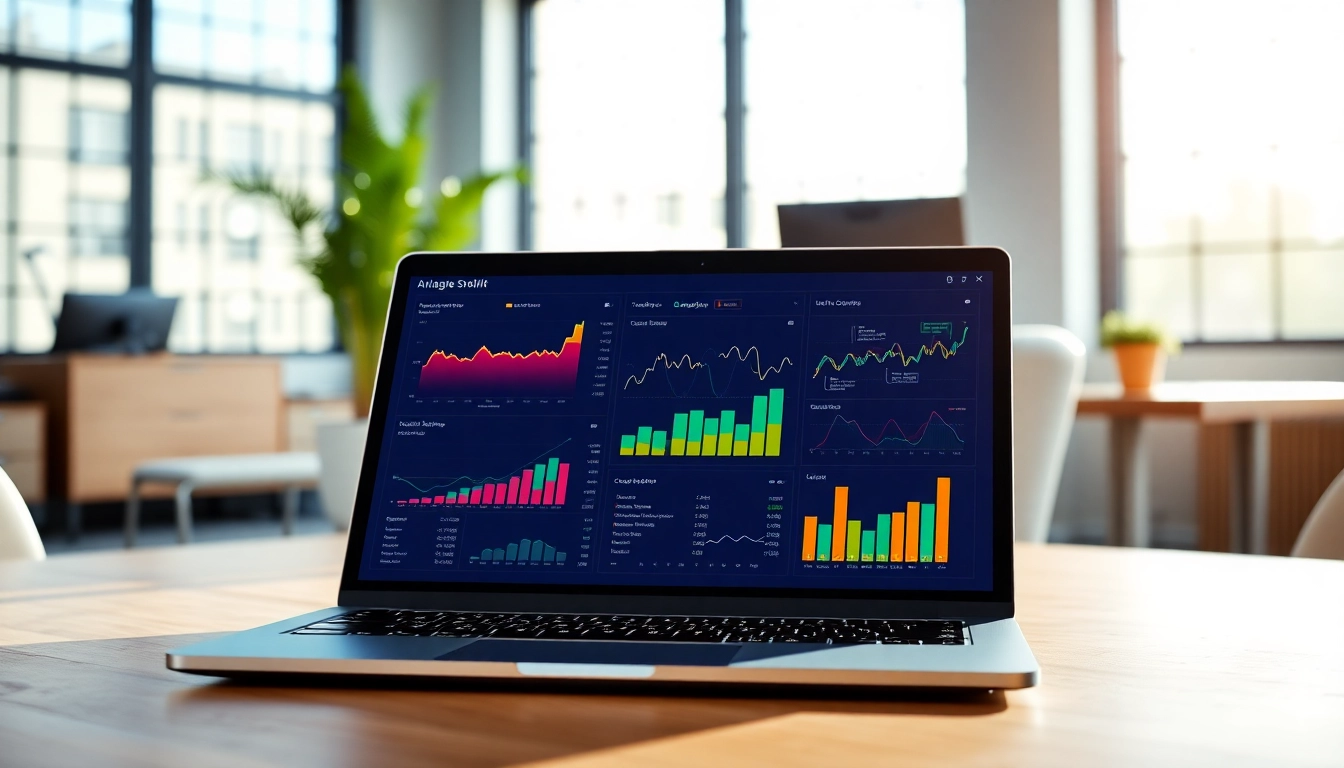
Incorporating AI tools into your competitive framework can significantly enhance insights. Tools powered by AI can automatically gather data, analyze market conditions, and present findings in intuitive dashboards. Selecting the right tools, such as those specializing in SEO analysis, social media monitoring, or customer feedback interpretation, allows for a more comprehensive view of the competitive landscape.
Implementation Steps for AI in Competitor Analysis
Identifying Your Competitors
The first step in leveraging AI for competitive analysis is to define and identify your competitors. This includes direct competitors (those offering similar products) and indirect rivals (those fulfilling the same customer needs differently). An automated system can aggregate industry data to continuously monitor and update the list of competitors.
Data Collection Techniques
Data can be collected through several avenues, including:
- Web Scraping: Automatically collecting data from competitors’ websites.
- Social Media Tracking: Using AI to monitor competitors’ social media activities to glean insights into their consumer engagement.
- Customer Feedback Analysis: Aggregating and analyzing reviews from various platforms to understand sentiment and common pain points.
Using AI to Surface Patterns
Once data is collected, AI can help identify patterns that may not be immediately apparent. Machine learning algorithms analyze the data for trends, giving businesses the ability to anticipate competitor moves and adapt strategies accordingly. These insights can be invaluable for strategic planning and informing product development cycles.
Evaluating Performance Metrics
Setting Benchmarks for Analysis
To quantify the effectiveness of your competitor analysis, it’s essential to establish benchmarks. This could involve identifying key performance indicators (KPIs) that align with business goals, such as market share, customer acquisition costs, or sales growth rates. By analyzing your performance against these benchmarks, you can assess your competitive positioning over time.
Measuring the Impact of Insights
After implementation, it’s vital to measure the impact of insights derived from AI-driven competitor analysis. This may involve evaluating changes in market share, customer satisfaction scores, or sales performance following strategic adjustments made based on competitor insights. Implementing A/B testing can also help quantify the impact of specific changes.
Continuous Improvement and Adaptation
The marketplace is constantly evolving, requiring businesses to be agile. Continuous analysis and adaptation based on AI insights ensure that businesses remain competitive. Regularly revisiting and updating your analysis framework and data sources helps maintain a responsive approach to competitor strategies.
FAQs: Common Questions about AI for Competitor Analysis
1. Which AI is best for competitor analysis?
While numerous AI tools are available, the best ones focus on accuracy in data extraction and analysis, fitting the specific needs of your industry.
2. How do I start using AI for competitor analysis?
Begin by defining your strategic objectives, identifying key competitors, and selecting AI tools that align with your data analysis goals.
3. Can AI completely automate competitor analysis?
AI streamlines data collection and analysis, but human input is essential for contextual understanding and strategic decision-making.
4. What are the main data sources for competitor analysis?
Key data sources include competitor websites, social media platforms, customer reviews, and industry reports, providing insights into market dynamics.
5. How often should I conduct competitor analysis?
Regular assessments, ideally quarterly or biannually, are recommended to adapt quickly to changes in the marketplace and competitor strategies.